Many gym owners assume manual spreadsheets and periodic data reviews are enough to manage their fitness business. This misconception leads to hidden costs: hours lost each week entering data, errors in billing or attendance, and missed opportunities to engage members proactively. Automated reporting transforms how fitness businesses operate by eliminating tedious manual tasks and delivering real-time insights that drive smarter decisions. Instead of scrambling to compile monthly reports, you gain instant visibility into revenue, attendance, and member engagement. This article explains what automated reporting actually is, how it compares to manual methods, and why it's becoming essential for gyms seeking operational efficiency and stronger client retention in 2026.
Table of Contents
- Understanding Automated Reporting In Fitness
- Comparing Manual Vs. Automated Reporting Methods
- How Automated Reporting Improves Gym Operations And Client Retention
- Choosing And Implementing Automated Reporting Tools In Your Fitness Business
- Discover Finegym's Automated Gym Management Solutions
- Frequently Asked Questions
Key takeaways
| Point | Details |
|---|---|
| Time savings | Automated reporting eliminates manual data entry and saves gym owners over 3 hours weekly on administrative tasks. |
| Real-time insights | Integration with attendance, billing, and wearable devices provides instant analytics for faster decision making. |
| Improved accuracy | Software-driven data collection reduces human errors common in spreadsheet-based manual reporting systems. |
| Enhanced retention | Tracking member engagement patterns enables proactive communication and personalized incentives that boost loyalty. |
| Seamless integration | Modern reporting tools connect multiple data sources including check-ins, payments, and class schedules into unified dashboards. |
Understanding automated reporting in fitness
Automated reporting is software-driven data collection and analysis that generates business insights without manual intervention. Instead of pulling numbers from different systems and compiling spreadsheets, reporting and analytics dashboards for fitness business insights automatically integrate data from check-ins, attendance, payments, and wearable devices to create comprehensive reports.
Typical data sources in fitness centers include membership databases, class scheduling systems, payment processors, door access logs, and increasingly, wearable technology that tracks member workouts. When these streams connect through automated reporting platforms, you gain a complete operational picture without lifting a finger.
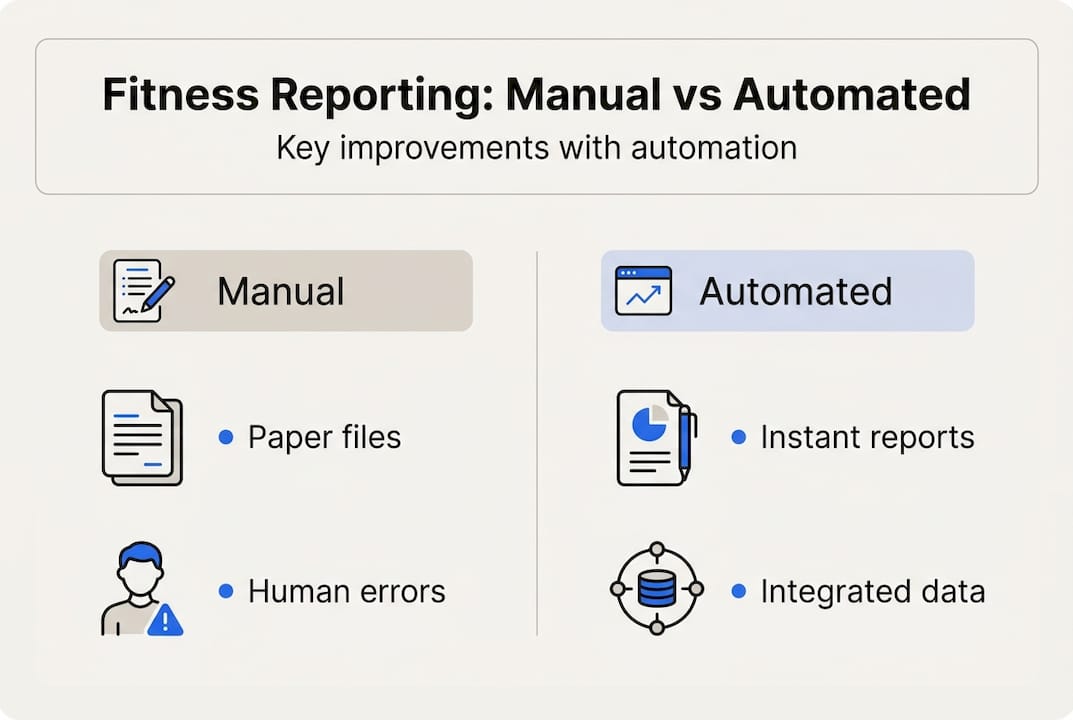
The advantages over manual methods are substantial. Speed increases dramatically because reports generate instantly rather than requiring hours of compilation. Accuracy improves since software eliminates transcription errors and calculation mistakes. Real-time updates mean you see current trends, not outdated snapshots from last week or last month.
Integration creates the real magic. When your system combines attendance patterns with billing data and class popularity metrics, you discover actionable insights like which classes drive the most revenue or which members show declining engagement before they cancel. A gym might automatically generate weekly revenue reports, monthly retention analyses, and daily attendance summaries without staff involvement.
Consider a practical example. Your automated system notices a member's attendance dropped 60% over two weeks. It flags this in your retention risk report, prompting your team to reach out with a personalized check-in or special class invitation. This proactive approach, impossible with monthly manual reviews, directly impacts member satisfaction and renewal rates.
Pro Tip: Align your report metrics with your gym's strategic goals for maximum impact. If retention is your priority, focus dashboards on engagement trends and at-risk member alerts rather than vanity metrics like total check-ins.
Comparing manual vs. automated reporting methods
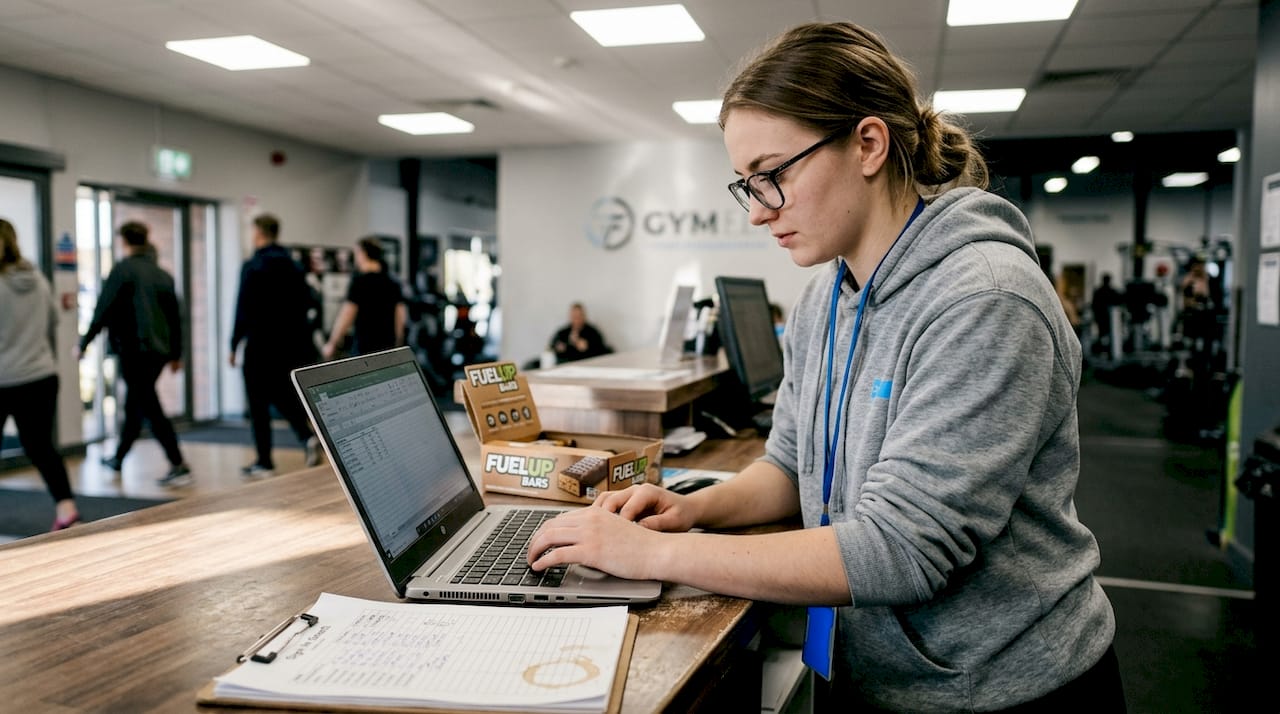
Manual reporting in fitness businesses typically involves staff members pulling data from various sources, entering it into spreadsheets, performing calculations, and creating summary reports. This process happens weekly or monthly, depending on business needs. Reconciling discrepancies between systems consumes additional time, and formatting reports for different stakeholders adds another layer of work.
Automated reporting employs gym automation tools that save 3+ hours weekly by connecting software integrations and dashboards that refresh continuously. Data flows automatically from source systems into centralized analytics platforms, calculations happen instantly, and visual dashboards present insights without manual formatting.
| Metric | Manual Reporting | Automated Reporting |
|---|---|---|
| Time to generate monthly report | 4-6 hours | 2-5 minutes |
| Error rate | 5-15% due to data entry mistakes | Under 1% with proper integration |
| Data freshness | Days to weeks old | Real-time or hourly updates |
| Insight depth | Limited by manual analysis capacity | Advanced analytics with trend detection |
| Scalability | Becomes overwhelming as gym grows | Handles growth without added workload |
Common pitfalls plague manual reporting systems. Human errors creep in during data entry, especially when staff rush through administrative tasks between member interactions. Delays mean decisions rely on outdated information, causing you to miss timely opportunities. Inconsistent data emerges when different team members use varying methods or formulas. Version control becomes messy when multiple spreadsheet copies circulate via email.
Perhaps most critically, manual reporting lacks the bandwidth for sophisticated analysis. Your team can calculate basic totals and averages, but identifying subtle patterns like seasonal attendance fluctuations or correlations between class types and retention requires more analytical horsepower than spreadsheets provide.
Pro Tip: Start small with automated reporting modules to ease adoption and showcase quick wins for your team. Automate your most time-consuming report first, demonstrate the time savings, then expand to additional reporting areas as confidence builds.
How automated reporting improves gym operations and client retention
Automated reporting delivers concrete operational improvements across multiple aspects of gym management. For scheduling, attendance data reveals which class times consistently fill versus those running under capacity, allowing you to optimize your timetable and instructor assignments. Staffing decisions become data-driven when reports show peak traffic hours, ensuring adequate coverage without overstaffing slow periods. Even inventory management benefits as equipment usage reports highlight which machines need maintenance or replacement.
Member engagement sees dramatic improvements through gym analytics and revenue reports that track attendance trends and satisfaction signals. When your system identifies members whose visit frequency drops, you can intervene before they decide to cancel. Class popularity metrics inform programming decisions, helping you expand successful offerings and retire underperforming ones. Personalized feedback becomes possible when you understand each member's workout patterns and preferences.
Real-time insights transform reactive management into proactive strategy. Instead of discovering problems weeks later during monthly reviews, you spot trends as they emerge. A sudden drop in morning class attendance might indicate a scheduling conflict with a popular competitor's new program, prompting immediate competitive response. Revenue anomalies trigger instant investigation rather than festering unnoticed.
Member retention particularly benefits from data-informed communication and incentives. Automated reporting identifies at-risk members based on engagement patterns, enabling targeted outreach. Automated gym notifications can trigger personalized messages celebrating milestones, encouraging members who haven't visited recently, or offering relevant class recommendations based on workout history.
Facilities using automated reporting to track member attendance and satisfaction patterns report retention rate improvements of 12-18% compared to those relying solely on manual tracking methods.
Leveraging reporting data for continuous improvement follows a systematic cycle:
- Establish baseline metrics for key performance indicators like member retention rate, average revenue per member, and class attendance percentages.
- Monitor automated dashboards weekly to identify trends, anomalies, and opportunities requiring attention or investigation.
- Implement targeted interventions based on insights, such as adjusting class schedules, launching retention campaigns, or modifying pricing structures.
- Measure intervention results through the same automated reports to quantify impact and refine your approach iteratively.
- Share insights with staff during team meetings to align everyone around data-driven goals and celebrate wins together.
- Adjust strategies quarterly based on accumulated data patterns and seasonal trends unique to your facility and market.
Choosing and implementing automated reporting tools in your fitness business
Selecting the right reporting software requires evaluating several critical criteria. Integration capabilities top the list because your tool must connect with existing systems like your membership database, payment processor, and gym check-in systems. User interface matters tremendously since complex dashboards sit unused while intuitive ones drive daily decisions. Reporting features should match your specific needs, whether that's financial analysis, member engagement tracking, or operational metrics. Finally, vendor support quality determines whether implementation succeeds or stalls when challenges arise.
Common challenges during adoption include data migration from legacy systems, staff training on new platforms, and ensuring system compatibility across your technology stack. Seamless integration of wearable technologies and gym management systems enhances data accuracy but requires careful technical planning. Budget constraints may limit options, though cloud-based solutions increasingly offer affordable entry points.
| Feature Category | Essential Capabilities | Advanced Options |
|---|---|---|
| Data sources | Membership, billing, attendance | Wearable devices, retail sales, marketing campaigns |
| Report types | Revenue, retention, class attendance | Predictive analytics, member lifetime value, churn risk scoring |
| Automation depth | Scheduled report generation | Triggered alerts, automated interventions, AI-powered insights |
| Customization | Adjustable date ranges and filters | Custom metric creation, branded report templates |
| Access control | Role-based permissions | Multi-location hierarchies, franchise reporting |
Successfully implementing automated reporting in your fitness business follows these steps:
- Audit your current reporting processes to identify pain points, time sinks, and critical missing insights you need.
- Research solutions that integrate with your existing complete gym management software and technology ecosystem.
- Request demos from top candidates, focusing on ease of use and specific features matching your requirements.
- Verify data migration support and timeline, ensuring historical data transfers accurately for trend analysis.
- Plan staff training sessions before launch, creating champions who can assist colleagues during the transition.
- Follow proven gym software implementation guidance for training, deployment, and system migration.
- Monitor adoption rates and gather feedback during the first month to address friction points quickly.
Pro Tip: Pilot test with a small user group before full rollout to identify issues early. Select tech-savvy staff members who can provide detailed feedback and become internal advocates once you expand access.
Discover Finegym's automated gym management solutions
Transitioning from manual reporting to automated insights represents a significant operational upgrade for fitness businesses. Finegym offers a comprehensive gym management software platform designed specifically for this transformation. The system integrates attendance tracking, billing, scheduling, and member communications into unified dashboards that deliver actionable intelligence without administrative burden.
Finegym's reports and analytics features provide real-time visibility into revenue trends, member engagement patterns, and operational metrics that drive smarter decisions. Combined with automated member notifications that respond to behavioral triggers, the platform helps you retain more members while spending less time on administrative tasks. Explore how Finegym can save your team hours weekly while enhancing your fitness business performance through intelligent automation.
Frequently asked questions
What is automated reporting in fitness?
Automated reporting in fitness refers to software systems that collect, analyze, and present gym operational data without manual intervention. These platforms integrate with membership databases, billing systems, attendance tracking, and other data sources to generate real-time reports on revenue, member engagement, class popularity, and retention metrics. The automation eliminates time-consuming manual data entry and spreadsheet compilation while providing more accurate, timely insights for business decisions.
What systems can be integrated with automated reporting tools?
Modern automated reporting tools integrate with membership management systems, payment processors, door access and check-in systems, class scheduling platforms, wearable fitness devices, retail point-of-sale systems, and marketing automation software. This comprehensive integration creates a unified data ecosystem where information flows automatically between systems. The result is holistic reporting that connects member behavior, financial performance, and operational metrics in ways impossible with isolated manual tracking.
How does automated reporting help improve member retention?
Automated reporting identifies at-risk members by tracking attendance patterns, engagement trends, and behavioral changes that predict cancellations. When the system detects declining visit frequency or participation, it triggers alerts enabling proactive outreach before members decide to leave. Data-driven insights also inform personalized communication, targeted class recommendations, and incentive programs based on individual preferences and workout history. This proactive, personalized approach significantly improves retention compared to reactive manual methods that only notice problems after cancellations occur.
Is it costly or complex to set up automated reporting in a gym?
Cloud-based automated reporting solutions have become increasingly affordable and accessible for gyms of all sizes, with many platforms offering tiered pricing that scales with your membership base. Initial setup complexity depends on your existing technology stack and data quality, but modern systems emphasize user-friendly interfaces and guided implementation processes. Most fitness businesses complete basic setup within days and see return on investment within months through time savings and improved retention. Starting with core reporting features and expanding gradually minimizes both cost and complexity while delivering immediate value.