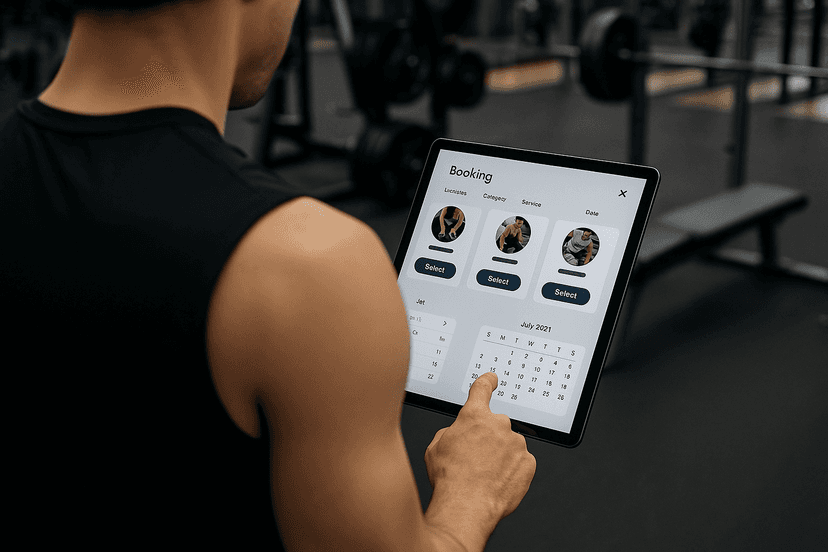
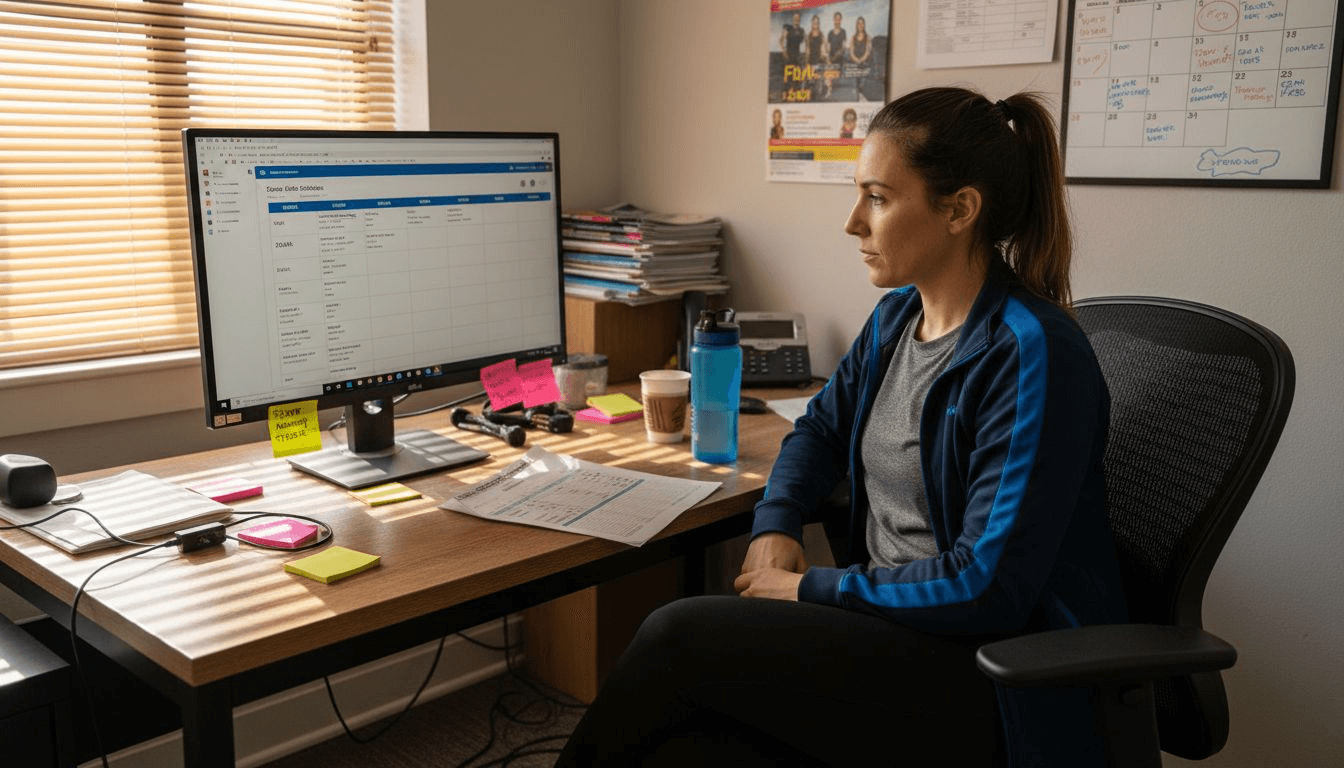
Designing a gym class schedule that keeps your members motivated often feels like a balancing act. You have to work around varying workout preferences, busy peak times, and unexpected instructor changes, all while making every session safe and comfortable. If you miss these details, you risk overcrowded classes and dissatisfied members who might not return.
This guide is packed with practical strategies to help you create a member-focused schedule that increases engagement and retention. You’ll discover actionable insights backed by research, like using data-driven tools for personalized recommendations and managing class sizes for safety.
Get ready to unlock effective scheduling methods that make your gym more efficient, your classes more enjoyable, and your members excited to attend. The upcoming list will reveal exactly how to turn scheduling challenges into a competitive advantage.
Table of Contents
- 1. Assess Member Preferences And Peak Times
- 2. Optimize Class Sizes For Comfort And Safety
- 3. Use Automated Scheduling Tools For Efficiency
- 4. Balance Class Variety To Appeal To All Members
- 5. Set Clear Instructor Availability And Backups
- 6. Communicate Schedule Changes In Real Time
- 7. Review And Adjust Schedules Based On Feedback
Quick Summary
| Key Insight | Detailed Explanation |
|---|---|
| 1. Assess Member Preferences for Scheduling | Analyzing workout patterns helps tailor class schedules to member needs, improving engagement and retention. |
| 2. Manage Class Sizes for Quality | Controlling class capacity enhances safety and allows for personalized instruction, making workouts more effective. |
| 3. Implement Automated Scheduling Tools | Using AI-powered scheduling applications streamlines operations and reduces administrative overhead, benefiting both staff and members. |
| 4. Offer Diverse Class Options | Providing a variety of fitness classes caters to different interests and fitness levels, promoting long-term member engagement. |
| 5. Communicate Schedule Changes in Real Time | Keeping members informed about schedule changes through instant communication builds trust and enhances member experience. |
1. Assess Member Preferences and Peak Times
Understanding your gym members' workout patterns is the key to creating an effective class schedule that keeps them engaged and coming back. By analyzing member behavioral patterns, studio managers can design a flexible timetable that meets diverse fitness needs and maximizes class participation.
Member preferences aren't just about convenience - they're about creating a personalized fitness experience. Here are several strategies to effectively assess and respond to your members' scheduling needs:
- Track attendance data for each class type
- Survey members about their preferred workout times
- Analyze historical check-in records
- Monitor online booking patterns
- Review peak hours across different demographic groups
Personalized scheduling can increase member retention by demonstrating that you understand and adapt to their individual fitness journeys.
Data-driven scheduling goes beyond simple time tracking. By utilizing machine learning techniques, you can predict and accommodate shifting member preferences with remarkable precision. This approach allows you to anticipate demand, optimize instructor assignments, and create a dynamic class schedule that feels responsive and member-centric.
Consider implementing digital tools that can help you track and analyze these preferences in real time. Member management software with robust reporting features can transform raw data into actionable scheduling insights, helping you make informed decisions that benefit both your members and your business.
Pro tip: Conduct a quarterly member preference survey to stay ahead of changing fitness trends and maintain a pulse on your community's evolving workout needs.
2. Optimize Class Sizes for Comfort and Safety
Class size management is a critical factor in delivering high-quality fitness experiences that keep members safe and engaged. Controlling class capacity directly impacts teaching effectiveness, member satisfaction, and overall workout quality.
When designing your studio's class schedules, consider these key strategies for optimizing class sizes:
- Establish maximum participant limits for each class type
- Ensure sufficient space for individual movement and equipment
- Match instructor expertise with appropriate group sizes
- Create diverse class options to distribute member attendance
- Monitor and adjust class sizes based on member feedback
Overcrowded classes increase safety risks and reduce the quality of individual instruction, potentially leading to member dissatisfaction and higher dropout rates.
The benefits of carefully managed class sizes extend beyond immediate safety concerns. Personalized instruction becomes more feasible when instructors can provide meaningful attention to each participant. Research indicates that smaller classes enable more targeted coaching and reduce the likelihood of injury.
Consider implementing a digital booking system that automatically caps class enrollment and provides real-time visibility into available slots. This approach allows members to plan their workouts while giving you precise control over class demographics and capacity.
Pro tip: Develop a flexible class size policy that allows for slight variations based on workout intensity and specific instructor recommendations.
3. Use Automated Scheduling Tools for Efficiency
In the fast-paced world of fitness management, AI-powered scheduling applications have become essential tools for streamlining gym operations. Automated scheduling tools eliminate the complexity of manual class management and transform how studios approach time and resource allocation.
Modern gym managers can leverage technology to dramatically improve operational efficiency through these key strategies:
- Integrate comprehensive scheduling platforms
- Automate class booking and reservation processes
- Enable real-time schedule updates and notifications
- Sync instructor and room availability automatically
- Provide online member self-registration capabilities
Automated scheduling tools reduce administrative overhead while delivering a seamless experience for both staff and members.
These digital solutions go beyond simple booking. Intelligent scheduling systems can analyze historical attendance patterns, predict class demand, and help you optimize your studio's resources. Gym management software now offers sophisticated tools that centralize booking, payments, and member management into one streamlined platform.
By implementing automated scheduling technology, you can minimize human error, reduce administrative time, and create a more responsive fitness environment that adapts quickly to your members' changing needs.
Pro tip: Select scheduling software that offers robust reporting features and integrates seamlessly with your existing membership management systems.
4. Balance Class Variety to Appeal to All Members
Creating a dynamic fitness environment means offering more than just a one-size-fits-all approach to group exercise. Diverse fitness programming ensures that members with different goals, fitness levels, and interests feel welcomed and motivated.
Successful studios understand the importance of providing a comprehensive range of class types that cater to various member needs:
- Include strength training sessions
- Offer cardiovascular conditioning classes
- Provide flexibility and mobility workshops
- Schedule mind-body experiences like yoga and meditation
- Design high-intensity interval training options
- Create low-impact alternatives for different fitness levels
A well-rounded class schedule is the cornerstone of member engagement and long-term retention.
Comprehensive fitness programming goes beyond simple exercise variety. Balance exercises help members improve core stability, prevent injuries, and enhance overall physical performance. By thoughtfully curating your class lineup, you demonstrate a commitment to holistic health and individual member progress.
Regularly rotating and updating your class offerings keeps your schedule fresh and exciting. This approach not only maintains member interest but also attracts new clients seeking a dynamic and inclusive fitness community.
Pro tip: Conduct quarterly member surveys to gather insights about desired class types and emerging fitness trends in your local market.
5. Set Clear Instructor Availability and Backups
Reliable class scheduling hinges on having a well-organized instructor management system. Centralized instructor networks help studios maintain seamless class operations and prevent last-minute scheduling disruptions.
Effective instructor management requires several strategic approaches:
- Develop a comprehensive instructor database
- Track individual certification and availability status
- Create a robust backup instructor rotation
- Implement real-time scheduling communication tools
- Establish clear substitute instructor protocols
- Maintain updated contact information for all instructors
A proactive approach to instructor scheduling prevents unexpected class cancellations and maintains member trust.
Backup instructor strategies are more than just contingency planning. Troubleshooting instructor alignment ensures that your studio can quickly adapt to unexpected schedule changes without disrupting member experiences.
Utilize digital scheduling platforms that allow instructors to update their availability in real time and enable quick communication about potential coverage needs. This transparent approach helps create a collaborative environment and reduces scheduling stress.
Pro tip: Develop a mentorship program where experienced instructors can train and support potential backup instructors to create a more resilient teaching team.
6. Communicate Schedule Changes in Real Time
In the dynamic world of fitness studios, staying ahead means keeping members informed with lightning-fast communication. Automated schedule notifications have transformed how studios manage last-minute changes and keep their members engaged.
Effective real-time communication requires a strategic approach:
- Implement mobile app push notifications
- Use email and text message alerts
- Create instant messaging group channels
- Develop automated scheduling update systems
- Enable one-click class cancellation or rescheduling
- Provide multiple communication touchpoints
Transparent and immediate communication builds trust and demonstrates your studio's commitment to member convenience.
Instant communication technologies help prevent member frustration and reduce unnecessary confusion. Schedule update capabilities allow your studio to broadcast changes instantly, minimizing disruptions and maintaining a smooth operational flow.
By leveraging digital communication tools, you transform potential scheduling challenges into opportunities to showcase your studio's responsiveness and member-first approach. Modern fitness enthusiasts appreciate studios that value their time and provide clear, immediate information.
Pro tip: Establish a communication hierarchy where critical schedule changes are communicated through multiple channels to ensure maximum member reach.
7. Review and Adjust Schedules Based on Feedback
Continuous improvement in fitness studio management starts with listening to your members. Systematic feedback collection allows studios to create dynamic, responsive class schedules that truly meet member needs.
Effective feedback analysis involves multiple strategic approaches:
- Conduct quarterly member satisfaction surveys
- Track class attendance and dropout rates
- Implement digital feedback collection tools
- Host periodic member focus groups
- Analyze online and in-person feedback channels
- Create transparent communication mechanisms
Transforming member input into actionable scheduling improvements demonstrates your commitment to member experience.
Structured member checking techniques provide deeper insights into scheduling preferences. Qualitative feedback analysis enables fitness managers to validate existing schedules and identify potential improvements before they become significant issues.
By creating a culture of continuous feedback and adaptation, you transform your scheduling process from a static system to a dynamic, member-driven approach that keeps your studio competitive and engaging.
Pro tip: Develop a standardized feedback template that captures both quantitative metrics and qualitative insights to streamline your review process.
This table summarizes the key recommendations for managing a fitness studio efficiently, focusing on member engagement, schedule optimization, and effective communication.
Streamline Your Gym Class Scheduling with FineGym.io
Managing gym class schedules while balancing member preferences, instructor availability, and class sizes can feel overwhelming. The article highlights challenges like optimizing class capacity for safety, utilizing automated tools, and communicating schedule changes in real time. These are all critical pain points where delays or errors can lead to frustrated members and lost revenue.
FineGym.io offers a powerful all-in-one platform designed to take the complexity out of gym scheduling. With features like automated class booking, real-time schedule updates, and instructor management, you can effortlessly craft personalized gym class schedules that respond precisely to your members' needs. Experience seamless integration of member management, automated communications, and data-driven insights that help grow your fitness business while enhancing member engagement and retention.
Ready to transform your studio’s scheduling process into an efficient, member-focused system that drives growth and satisfaction? Explore how FineGym.io can elevate your operations by visiting FineGym.io today. Don’t wait to empower your management team with the latest technology designed specifically for fitness studios.
Frequently Asked Questions
How can I effectively assess member preferences for gym classes?
To effectively assess member preferences, track attendance data, survey members, and analyze historical check-in records. Implementing a quarterly member preference survey will help you stay proactive in understanding their workout needs.
What is the best way to optimize class sizes for member safety and comfort?
Establish maximum participant limits for each class type to ensure safety and personalized instruction. Monitor member feedback regularly and adjust class sizes as needed to maintain engagement and satisfaction.
How can automated scheduling tools improve efficiency in managing gym classes?
Automated scheduling tools streamline class booking and provide real-time updates, reducing administrative overhead. Integrate a comprehensive scheduling platform to eliminate manual processes and enhance operational efficiency quickly.
What strategies can I use to ensure my class schedule appeals to a diverse range of members?
Include a variety of class types, such as strength training, cardio, and flexibility sessions, to cater to different member interests and fitness levels. Regularly rotate class offerings based on member feedback to maintain engagement and attract new clients.
How do I communicate schedule changes effectively to gym members?
Implement push notifications, text alerts, and email communications to keep members informed of schedule changes in real time. Establish a communication hierarchy to ensure critical updates reach as many members as possible, minimizing confusion.
How can I incorporate member feedback into my gym class scheduling process?
Collect and analyze member feedback through surveys and focus groups to guide schedule adjustments. Create a standardized feedback form to capture insights, enabling you to implement actionable changes within a few weeks.