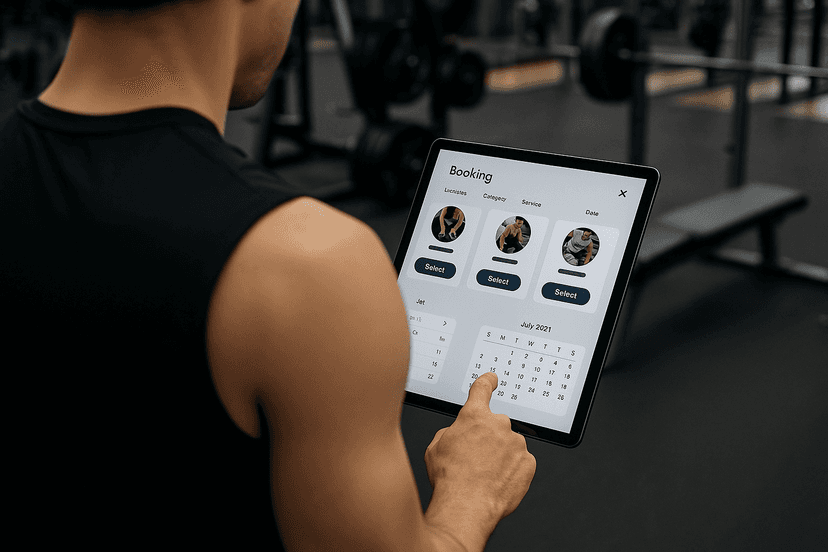
Gym owners spend over 8 hours every week buried in manual admin tasks like scheduling, billing, and member communication. The right automation tools slash this time by 3 hours or more, freeing you to focus on coaching and growing your business. This guide walks you through selecting tools that match your gym's size, budget, and growth plans while delivering real time savings and operational improvements.
Table of Contents
- How to Choose the Right Automation Tool for Your Gym
- Top Automation Tools for Gyms: In-Depth Reviews
- Comparison Table of Gym Automation Tools
- How Automation Benefits Small to Mid-Sized Gyms
- Emerging Trends: The Growing Role of AI in Gym Automation
- Situational Recommendations: Picking the Best Tool for Your Gym's Needs
- Streamline Your Gym Operations with Finegym's Automation Solutions
- FAQ
Key Takeaways
| Point | Details |
|---|---|
| Time savings | Automation reduces weekly admin work by 2 to 3 hours, letting you focus on members and growth. |
| Billing automation | Integrated billing cuts errors, improves cash flow, and typically charges 1.5% to 3% transaction fees. |
| Tool variety | Platforms differ widely in pricing, features, and ideal gym size, from solo trainers to multi-location franchises. |
| AI impact | AI-powered features personalize workouts and predict churn, driving stronger member engagement and retention. |
| Selection strategy | Choose based on your gym's current size, budget constraints, and specific operational bottlenecks. |
How to Choose the Right Automation Tool for Your Gym
Start by identifying your biggest operational bottlenecks. Are you losing hours to scheduling conflicts? Missing payments due to manual billing errors? Struggling to keep members engaged between sessions? Pin down your top pain points before evaluating any platform.
Prioritize features that directly address those pain points. Essential capabilities for most small to mid-sized gyms include class scheduling, automated billing and invoicing, member communication tools, and basic reporting. According to The Ultimate Guide to the Best Gym Management Software in 2024, automated billing reduces manual errors and improves cash flow while transaction fees typically range from 1.5% to 3%. If you're setting up billing for the first time, detailed guidance on gym billing setup can save you hours of trial and error.
Ease of use and onboarding determine whether your team actually adopts the platform. A feature-rich system that confuses your staff will sit unused while you revert to spreadsheets. Look for intuitive interfaces, quality training resources, and responsive support teams. Request demos and involve your front desk staff in the evaluation process since they'll use the system daily.
Consider pricing models carefully, including hidden costs. Most platforms charge a base monthly subscription plus transaction fees on payments processed through their system. Some pass these fees to members, others absorb them. Calculate your total cost including payment processing, SMS credits, and add-on modules. As your gym grows, tiered pricing should scale reasonably without forcing sudden jumps in cost.
Integration capabilities prevent workflow fragmentation. Your automation tool should connect with your existing payment processor, marketing email platform, and any specialized coaching apps you use. Switching between disconnected systems wastes the time you're trying to save. The best gym management software guide emphasizes seamless data flow across all your operational touchpoints.

Pro tip: Before signing any contract, negotiate transaction fees if you process high payment volumes. Many providers offer reduced rates for established gyms. Also, test the onboarding process during your trial period to ensure your team can get up to speed quickly without extensive training.
Top Automation Tools for Gyms: In-Depth Reviews
FitBudd targets solo trainers and small gyms with pricing starting at $29 per month. The platform covers workout programming, nutrition tracking, client communication, and basic scheduling. Its simplicity makes it ideal for trainers transitioning from manual spreadsheets to their first automated system. However, it lacks advanced features like multi-location management and custom branding that larger gyms require.
Exercise.com serves as a comprehensive all-in-one platform for gyms planning to scale. It handles scheduling, billing, workout delivery, and fitness marketing automation within a single interface. Custom branding options let you white-label the member experience. Pricing starts higher than budget options but includes robust tools for multi-location franchises. The platform's marketing automation features help convert leads and retain existing members through targeted campaigns.
TeamUp specializes in boutique studio scheduling and booking. Its mobile apps provide seamless member experiences for class reservations, cancellations, and waitlist management. The fitness scheduling software excels at handling complex booking rules, recurring class series, and instructor assignments. While it covers billing basics, it's primarily built around the scheduling use case. Studios running yoga, cycling, or group fitness classes find TeamUp's interface intuitive and member-friendly. For deeper insights, check out this guide on class scheduling software.
TrueCoach focuses narrowly on personal training workout programming. Trainers can build and deliver customized workout plans, track client progress, and communicate through the app. However, it doesn't handle billing, scheduling, or broader gym operations. It works best as a supplementary tool alongside a general gym management platform. Trainers who prioritize detailed exercise programming and form video feedback prefer TrueCoach's specialized approach.
Most gym owners benefit from platforms that balance breadth and depth rather than ultra-specialized tools. Your gym invoicing software should integrate tightly with scheduling and member management to create a cohesive operational backbone.
Pro tip: Choose tools that align with your gym's size and primary focus area for best ROI. A boutique studio running 40 classes weekly needs different capabilities than a personal training gym with 10 one-on-one clients. Match the tool's strengths to your business model.
Comparison Table of Gym Automation Tools
This table compares leading gym automation platforms across key selection criteria to help you evaluate options quickly.
| Platform | Starting Price | Key Features | Best For | Mobile App | Transaction Fees |
|---|---|---|---|---|---|
| FitBudd | $29/month | Workout programming, nutrition, basic scheduling | Solo trainers, small gyms | Yes | Varies by processor |
| Exercise.com | $149+/month | Full gym management, custom branding, marketing automation | Growing multi-location gyms | Yes, white-label | 1.5% to 3% |
| TeamUp | $79/month | Advanced scheduling, booking, waitlists, mobile | Boutique studios, class-focused | Yes, highly rated | 2% to 3% |
| TrueCoach | $19/month per coach | Workout programming, progress tracking | Personal trainers only | Yes | N/A, no billing |
Pricing ranges from $29 to $149+ per month before add-ons and payment processing fees. Base subscriptions typically cover core features like member profiles, basic scheduling, and communication tools. Advanced capabilities such as custom branding, marketing automation, and API access sit in higher pricing tiers.
Key feature coverage varies significantly. All platforms handle basic member management. Billing automation exists in most but with different levels of sophistication. Exercise.com and TeamUp offer robust reporting and analytics, while FitBudd keeps dashboards simpler for smaller operations. Communication tools range from basic email to SMS, push notifications, and in-app messaging.
User ratings and market adoption provide social proof. Exercise.com and TeamUp consistently receive high marks for customer support and feature updates. FitBudd earns praise for its affordable entry point and ease of use among trainers new to automation. TrueCoach dominates the personal training niche but isn't suitable for full gym operations.
Support for different gym sizes shapes each platform's design philosophy. Solo trainers need simplicity and low cost. Mid-sized studios require class management and member engagement tools. Multi-location franchises demand centralized reporting, role-based permissions, and custom branding. Match your current size and growth trajectory to the platform's target user.
Mobile app availability impacts member satisfaction directly. Members expect to book classes, check schedules, and manage their accounts from their phones. TeamUp's mobile experience receives particularly strong reviews. Exercise.com allows white-labeling so your gym's branding appears throughout the app. FitBudd provides solid mobile functionality at its price point.
How Automation Benefits Small to Mid-sized Gyms
Automated admin cuts weekly manual hours dramatically. Gym owners report reducing time spent on scheduling, billing, and communication from 8 hours to 5 hours or fewer. That's 3+ hours back in your week to coach members, plan programs, or focus on marketing. The time savings compound as your member base grows since the system scales without adding proportional admin burden.
Automated reminders reduce no-show rates substantially. According to The Ultimate Guide to the Best Gym Management Software in 2024, no-show rates drop by 50% to 70% with automated reminders. SMS and email notifications sent 24 hours before sessions keep your classes full and maximize revenue per session. Members appreciate the reminders too, reducing frustration from missed workouts.
Automated billing improves cash flow consistency and reduces late payments. Failed payment retries, automatic invoice generation, and recurring billing eliminate the awkward conversations about overdue accounts. Money arrives predictably each month, making it easier to forecast revenue and plan investments. Payment processing integrations mean funds hit your account faster with less manual reconciliation.
Member engagement improves with targeted communication workflows. Automated welcome sequences onboard new members smoothly. Birthday messages and milestone celebrations build personal connections at scale. Re-engagement campaigns automatically reach out to members showing declining attendance before they churn. These touchpoints would be impossible to maintain manually as your gym grows. For proof, review this retention case study showing real retention improvements from automated messaging.
"Automated reminders and billing reduced our admin time by 4 hours weekly while cutting no-shows in half. That's an extra $800 monthly in recovered revenue just from fuller classes." - Mid-sized studio owner
The combination of time savings, revenue protection, and improved member experience creates a multiplier effect. You invest fewer hours in operations while delivering better service and capturing more revenue per member. That's the automation advantage driving competitive separation in today's fitness market, as confirmed by gym software impact data.
Emerging Trends: The Growing Role of AI in Gym Automation
AI is rapidly transforming gym automation from simple task scheduling to intelligent member engagement. The AI fitness app market is projected to grow from $10.59 billion to $23.21 billion by 2030, driven by demand for personalized experiences and predictive insights. This explosive growth signals that AI features will become standard expectations rather than premium add-ons.
AI features now include personalized workout recommendations based on member goals, fitness levels, and past performance. Machine learning algorithms analyze attendance patterns and engagement metrics to predict which members face high churn risk. This allows proactive outreach before cancellation happens. Some platforms use natural language processing to automate member support inquiries, providing instant answers to common questions about class schedules, billing, and policies.
AI automates operational tasks beyond member-facing features. Intelligent scheduling algorithms optimize class times based on historical attendance data and member preferences. Dynamic pricing adjusts class costs based on demand, maximizing revenue during peak times. Automated reporting surfaces actionable insights about trainer performance, popular class formats, and revenue trends without manual data analysis.
Future gyms will increasingly rely on intelligent automation to compete effectively. The gap between gyms using AI-powered tools and those stuck with basic automation will widen as member expectations rise. Early adopters gain competitive advantages through superior personalization, retention, and operational efficiency. AI handles the repetitive analysis and decision-making, freeing gym owners for strategic thinking and relationship building.
Gym owners should consider AI capabilities when choosing tools, even if they don't need those features immediately. Platforms investing in AI development will remain competitive longer. Ask vendors about their AI roadmap, current machine learning features, and how they plan to integrate emerging capabilities. Future-proof your technology stack by selecting partners committed to innovation. Learn more about AI trends in fitness apps and their impact on gym operations.
Situational Recommendations: Picking the Best Tool for Your Gym's Needs
Different gym types require different automation approaches. Here's how to match your situation with the best platform.
-
Solo trainers and small studios: FitBudd offers the best balance of affordability and essential features. At $29 monthly, you get workout programming, client communication, and basic scheduling without overwhelming complexity. The platform grows with you as you add clients but won't force upgrades until you need multi-location features.
-
Growing multi-location gyms: Exercise.com provides the comprehensive infrastructure you need to scale. Custom branding maintains consistent member experiences across locations. Centralized reporting gives you visibility into all sites. Marketing automation tools help each location generate and nurture leads. The higher price point pays for itself through operational efficiency and member retention.
-
Boutique studios focusing on classes: TeamUp excels at booking-heavy operations with complex scheduling needs. Its mobile apps keep members engaged and make booking frictionless. Waitlist management and automated reminders keep classes full. If 80% of your revenue comes from group classes, TeamUp's specialized focus matches your primary need.
Considerations include pricing relative to your current member count and revenue. A $149 monthly platform might feel expensive with 50 members but becomes trivial with 500 members. Calculate cost per member and compare against the value of saved time and reduced churn. Factor in your team size too. Larger staffs benefit more from role-based permissions and collaborative features.
Automation depth matters based on your operational maturity. Gyms just starting with automation should prioritize simplicity and ease of adoption. More established operations can handle sophisticated workflows and advanced features. Match the platform's complexity to your team's technical comfort level. Consider exploring comprehensive fitness marketing tools once your core operations run smoothly.
Pro tip: Pilot platforms using free trials that match your specific scenario. Test with real member data and actual workflows rather than demo environments. Involve front desk staff, trainers, and members in the trial to gather feedback from all user perspectives before committing.
Streamline Your Gym Operations with Finegym's Automation Solutions
Now that you understand how to evaluate and select gym automation tools, consider how Finegym addresses the specific needs we've discussed. Finegym offers scalable automation designed specifically for small to mid-sized gyms and studios.
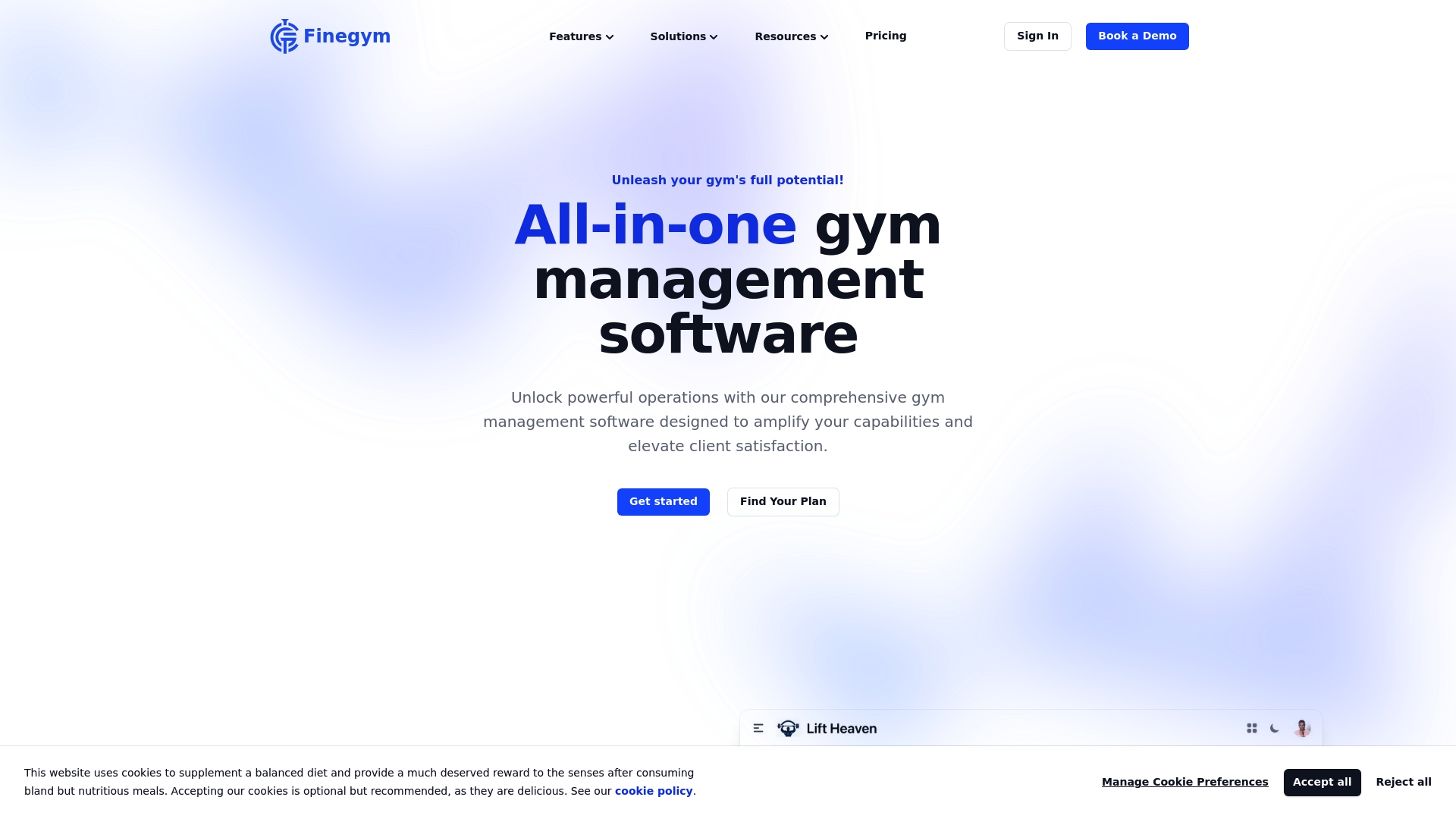
Our platform combines billing automation, class scheduling, and member engagement tools in one integrated system. Whether you run a boutique studio or manage multiple locations, our complete gym management solution adapts to your operational needs. Explore our all-in-one gym software features including automated billing, QR code check-ins, and mobile member apps. For class-focused studios, our group fitness scheduling capabilities handle complex booking scenarios with ease. Easy onboarding and expert support ensure you maximize efficiency from day one without lengthy learning curves.
FAQ
What are the best automation tools for small gyms?
Small gyms should prioritize affordable, easy-to-use tools like FitBudd or TeamUp that cover essential features without overwhelming complexity. Focus on platforms offering scheduling, billing automation, and basic member management within your budget. Trial periods help verify the system fits your workflows before committing. Start with these gym class scheduling tips to optimize your setup.
How do automation tools reduce no-show rates in gyms?
Automated SMS and email reminders sent before scheduled sessions reduce forgetfulness and no-shows by 50% to 70%. Personalized notifications increase member accountability by creating gentle nudges to honor commitments. Consistent communication also strengthens the member relationship, making them less likely to skip without notice.
What factors affect the pricing of gym automation tools?
Pricing includes base subscription fees plus transaction fees on payments processed, typically 1.5% to 3%. According to The Ultimate Guide to the Best Gym Management Software in 2024, some plans pass fees directly to clients while others absorb them. Higher pricing tiers add advanced features like custom branding, AI tools, and API access. Always calculate full cost including payment processing, SMS credits, and add-on modules. Review detailed gym automation pricing structures before deciding.
Can AI integration improve member engagement in gyms?
AI customizes workout recommendations and forecasts churn risks, enabling proactive retention strategies before members cancel. Machine learning analyzes behavior patterns to trigger personalized communication at optimal times. These intelligent touchpoints enhance engagement more effectively than generic mass messages. Learn more about AI gym engagement strategies and implementation.