

Managing a gym means juggling member expectations, staff schedules, billing cycles, and retention challenges while competitors innovate faster. A structured growth workflow grounded in technology and strategic planning transforms these daily headaches into streamlined systems that drive sustainable revenue gains. This guide walks you through the prerequisites, actionable steps, analytics integration, revenue expansion tactics, and success metrics you need to implement a fitness business growth workflow that delivers measurable results in 2026.
Table of Contents
- Prerequisites and Strategic Planning
- Core Steps for Growth Workflow Implementation
- Data and Analytics Integration
- Revenue Diversification Strategies
- Troubleshooting and Common Mistakes to Avoid
- Expected Outcomes and Measuring Success
- Streamline Your Gym Growth with FineGym Software
- Frequently Asked Questions About Fitness Business Growth Workflow
Key Takeaways
| Point | Details |
|---|---|
| Strategic planning drives growth | Businesses following structured annual planning frameworks report 20-30% higher revenue growth year over year. |
| Hybrid models boost retention | Offering both in-person and digital options keeps members engaged 3x longer than single-format gyms. |
| Automation cuts workload | Automated billing and scheduling reduce front desk tasks by 40% and billing errors by 25%. |
| Data integration prevents churn | Real-time analytics identify at-risk members early and optimize class schedules for maximum utilization. |
| Revenue diversification adds value | Multi-service memberships and tiered pricing increase per-member revenue by 3-7%. |
Prerequisites and Strategic Planning
You cannot build a scalable growth workflow without a solid foundation. Start by defining measurable goals that align with your business vision. Set clear KPIs for client acquisition numbers, monthly recurring revenue targets, and profit margins. These metrics give you concrete benchmarks to track progress and adjust tactics throughout the year.
Next, assess your current operational tools. Identify gaps in your member management system, billing automation, and communication channels. If you are still using spreadsheets for scheduling or manual invoices for payments, you are bleeding time and money. Determine whether your existing infrastructure can support fitness software solutions or if you need a full platform upgrade.
Align your team around the new workflow. Every staff member should understand their role in executing growth strategies, from front desk check-ins to post-class follow-ups. Hold training sessions to introduce automation tools and clarify how data flows between systems. When your team knows how each piece fits together, they can respond faster to member needs and operational hiccups.
Create a detailed annual growth plan that maps out quarterly milestones. This plan should tie directly to your KPIs and include specific tactics like launching a hybrid model, introducing tiered memberships, or rolling out marketing workflow strategies for member acquisition. Businesses following structured annual planning frameworks report 20-30% higher revenue growth year over year compared to those winging it month by month.
Finally, ensure you have the budget and bandwidth to support continuous improvement. Future-proofing fitness business operations means investing in scalable tools now so you do not outgrow your systems in six months. Allocate resources for software subscriptions, staff training, and member engagement campaigns. Without this financial commitment, even the best workflow plan stalls before launch.
Core Steps for Growth Workflow Implementation
Once your foundation is set, execute the workflow in four core steps. Each step builds on the previous one to create a seamless member experience and efficient back-office operations.
-
Introduce hybrid fitness models. Offer both in-person classes and on-demand digital content so members can train on their terms. This flexibility increases retention because members stay engaged even when travel, work, or family commitments disrupt their gym routine. Hybrid models also open new revenue streams through virtual class subscriptions and premium digital content.
-
Develop personalized engagement and upselling programs. Use member data to segment your audience by activity level, membership tier, and service usage. Send targeted messages promoting personal training sessions to members who attend classes regularly but have not booked one-on-one coaching. Offer nutrition add-ons to members tracking workouts in your app. Personalization drives effective member management by making each interaction feel relevant instead of generic.
-
Automate billing, scheduling, and member communication workflows to reduce errors and workload. Set up recurring billing cycles that charge memberships automatically and send payment confirmations instantly. Enable members to book classes through a mobile app that syncs with your instructor schedules in real time. Deploy automated email sequences that welcome new members, remind them of upcoming sessions, and re-engage inactive accounts. Automation eliminates the manual tasks that eat up 40% of your front desk time and cuts billing errors by 25%.
-
Deploy mobile-first SaaS platforms for seamless member management. Your members expect to check in with a QR code, view class schedules on their phones, and receive push notifications about promotions. A mobile-first platform integrates member communication basics directly into the tools members already use daily. This approach reduces friction and keeps your gym top of mind when they decide where to spend their fitness budget.
Pro Tip: Start with one step at a time instead of overhauling everything at once. Roll out hybrid classes first, gather feedback, then layer in automation and personalization. This phased approach prevents staff overwhelm and lets you refine each component before adding the next.
These four steps align operational efficiency with member expectations. They transform your gym from a reactive service provider into a proactive growth engine that scales with demand. Pair them with member acquisition strategies to fill your pipeline while retaining existing clients.
Data and Analytics Integration
You cannot improve what you do not measure. Real-time analytics dashboards turn raw operational data into actionable insights that drive retention and profitability. Use real-time dashboards to track member activity, revenue metrics, and scheduling optimization to improve profitability. These dashboards surface trends you would miss by reviewing monthly spreadsheets or relying on gut feel.

Identify quiet churn signals before members cancel. Track attendance patterns, class booking frequency, and app login rates. When a previously active member stops booking sessions or skips their usual class times for two weeks straight, your system should flag them for outreach. Send a personalized check-in message or offer a complimentary personal training session to re-engage them. Early intervention saves memberships that would otherwise lapse silently.
Optimize class schedules based on utilization data. If your 6 AM spin class runs at 40% capacity while the 7 PM session has a waitlist every week, reallocate instructor hours to match demand. Data-driven scheduling maximizes facility use and instructor productivity without adding overhead. You might discover that offering a second evening class generates more revenue than keeping a half-empty morning slot.
Track revenue per member, cost per acquisition, and lifetime value metrics monthly. Compare these KPIs against industry benchmarks and your own historical performance. When you notice lifetime value increasing after introducing hybrid models or tiered memberships, you have proof that your growth workflow is working. Use this evidence to justify further investments in automation or premium service offerings.
Pro Tip: Schedule a weekly 15-minute team huddle to review dashboard highlights. Discuss which metrics improved, which dropped, and what tactical adjustments you will make in response. Regular review cycles keep everyone aligned on priorities and catch issues before they compound.
| Metric | Target Range | Action Threshold |
|---|---|---|
| Member attendance rate | 75-85% | Below 70% triggers re-engagement campaign |
| Class utilization | 65-85% capacity | Above 90% add session; below 50% consolidate |
| Churn rate | 3-5% monthly | Above 6% investigate cause immediately |
| Revenue per member | $150-$250/month | Below $140 review upsell opportunities |
Data integration turns your gym from a service business into a learning organization. You adapt faster, allocate resources smarter, and deliver experiences members actually want. The fitness software solutions comparison shows which platforms offer the most robust analytics for gyms at different scales.
Revenue Diversification Strategies
Relying solely on monthly membership dues leaves you vulnerable to market shifts and seasonal fluctuations. Diversify revenue streams to build financial resilience and increase per-member value. Tier migration and multi-service memberships can increase revenue per member by 3-7% when executed strategically.
Develop tiered membership models with clear add-on services at each level. A basic tier might include gym access and group classes. Mid-tier adds monthly personal training sessions and nutrition consultations. Premium bundles in unlimited classes, priority booking, and exclusive workshops. Members can start at any tier and upgrade as their fitness goals evolve, creating natural upsell pathways.
Introduce complementary services like nutrition coaching, branded merchandise, and fitness challenges. Nutrition coaching pairs perfectly with training programs and commands premium pricing. Merchandise like branded apparel and supplements generates impulse purchases while turning members into walking advertisements. Month-long fitness challenges with entry fees and prizes boost engagement and create community buzz.
Encourage multi-service uptake through bundled pricing that offers better value than purchasing items separately. If personal training costs $60 per session and nutrition coaching runs $50, bundle four training sessions with two nutrition consultations for $350 instead of $420. Members perceive value, you increase average transaction size, and utilization spreads across multiple service lines.
Track diversification impact by monitoring what percentage of revenue comes from non-membership sources. Aim for 20-30% of total revenue from add-ons, services, and retail within 12 months. This mix insulates you from membership churn and provides cash flow stability. Review which services drive the highest margins and double down on promoting them.
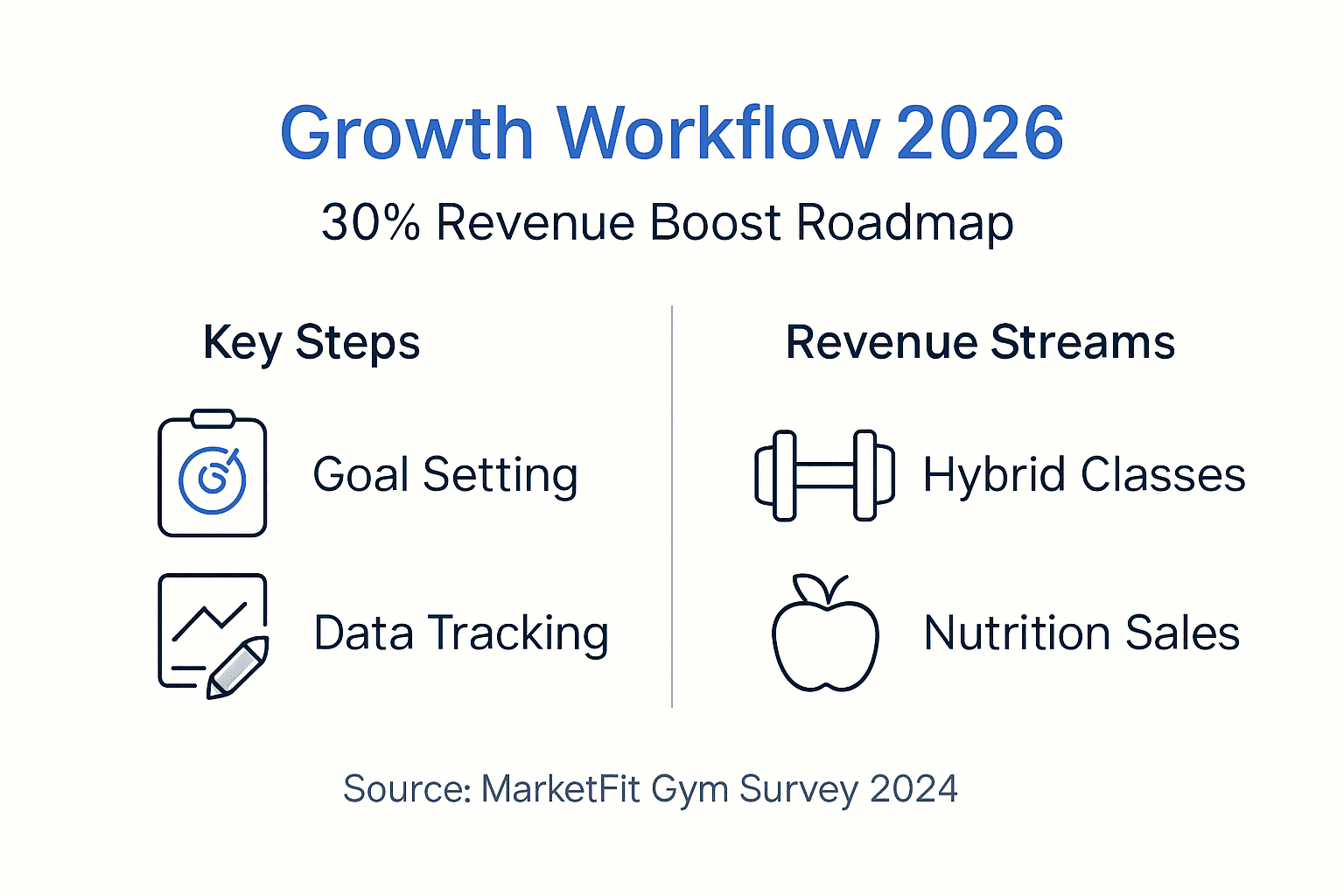
Diversification also enhances membership diversification by giving members more reasons to stay. When someone invests in personal training, nutrition coaching, and premium gear from your gym, they have multiple touchpoints reinforcing their commitment. This multi-layered engagement increases lifetime value and reduces cancellation likelihood.
Exploring different fitness business models reveals how leading companies structure pricing tiers and service bundles. Adapt their proven frameworks to your local market and member demographics.
Troubleshooting and Common Mistakes to Avoid
Even well-designed workflows hit snags. Recognize common pitfalls early so you can correct course before they derail your growth plans. Neglecting automation and centralized data causes increased churn and operational inefficiencies that compound over time.
-
Inconsistent data management happens when member information lives in multiple disconnected systems. One spreadsheet tracks attendance, another handles billing, and a third manages class schedules. This fragmentation creates errors, duplicate entries, and missed communication opportunities. Centralize all member data in a single platform so every team member sees the same real-time information.
-
Manual member communications fail to scale as your gym grows. Sending individual emails or texts to hundreds of members about class changes or billing updates consumes hours and introduces human error. Automate routine messages like membership renewals, class reminders, and birthday greetings. Reserve personal outreach for high-touch moments like onboarding and churn prevention.
-
Staff overload from administrative tasks burns out your best employees and degrades service quality. When front desk staff spend 60% of their time on data entry and billing questions, they cannot focus on creating welcoming member experiences. Offload repetitive tasks through automation and self-service portals. Let technology handle the paperwork so staff can handle relationships.
-
Poor mobile platform usability frustrates members and reduces engagement. If your app crashes during booking or takes five taps to check in, members will skip it and call your front desk instead. Test your mobile experience from a member perspective. Ensure critical functions like class booking and account updates work smoothly on both iOS and Android devices.
Pro Tip: Schedule quarterly workflow audits to identify bottlenecks and gather team feedback. Ask your staff where they waste time and what manual processes frustrate them most. Their front-line insights often reveal issues that do not show up in analytics dashboards.
Reviewing a member retention case study shows how automated messaging eliminated communication gaps that were causing silent churn. Apply similar tactics to your own workflow before losing members to preventable oversights.
Expected Outcomes and Measuring Success
Implementing a comprehensive growth workflow delivers measurable improvements across revenue, retention, efficiency, and engagement. Set realistic benchmarks so you can track progress and celebrate wins along the way.
Aim for 20-30% revenue growth year over year through the combined impact of hybrid models, automation, and diversification. This target aligns with industry data on gyms following structured planning and execution frameworks. Break this annual goal into quarterly milestones to maintain momentum and adjust tactics as needed.
Increase member retention by 15-20% by offering personalized engagement, hybrid options, and proactive churn prevention. Retention improvements compound over time because keeping existing members costs far less than acquiring new ones. Measuring member retention requires tracking monthly cancellation rates and comparing them against baseline periods before workflow implementation.
Reduce front desk workload by 40% through billing automation, self-service booking, and automated communications. Your staff should spend more time greeting members and less time answering billing questions or manually updating schedules. Measure this by tracking hours spent on administrative tasks before and after automation rollout.
Improve class utilization by 10-15% using data-driven scheduling that matches supply with demand. Fill empty slots by promoting underutilized classes to targeted member segments. Consolidate or eliminate consistently low-attendance sessions to redeploy instructor resources where they generate more value. The role of scheduling gym operations shows how optimized timetables boost both revenue and member satisfaction.
Enhance member engagement by 20% measured through mobile app activity, class attendance frequency, and service add-on adoption. Higher engagement correlates directly with longer retention and increased lifetime value. Track monthly active users, average sessions per member, and uptake rates for new services or challenges.
| Success Metric | Baseline | 6-Month Target | 12-Month Target |
|---|---|---|---|
| Annual revenue growth | 0-5% | 10-15% | 20-30% |
| Member retention rate | 70-75% | 80-85% | 85-90% |
| Front desk admin hours/week | 30-35 | 20-25 | 15-18 |
| Class utilization rate | 55-60% | 65-70% | 70-75% |
| Monthly app active users | 40-50% | 60-70% | 75-85% |
These outcomes represent realistic expectations for gyms that execute the workflow consistently over 12 months. Your results may vary based on market size, competition, and starting operational maturity. Focus on steady improvement quarter over quarter rather than expecting overnight transformations.
Streamline Your Gym Growth with FineGym Software
Executing this growth workflow demands integrated tools that connect member management, billing, scheduling, and engagement in one platform. FineGym delivers exactly that.
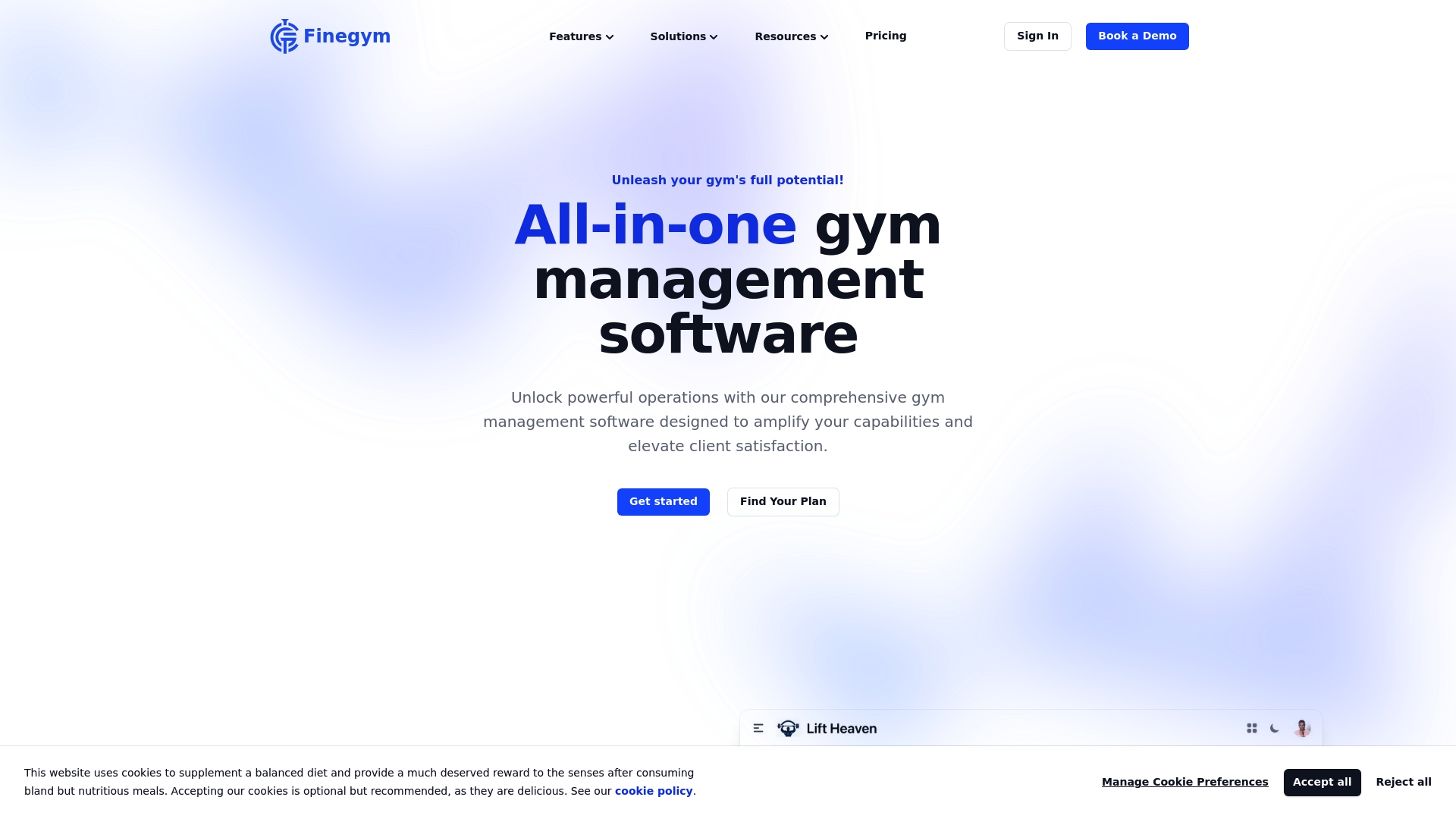
Our complete gym management software automates billing cycles, enables mobile check-ins via QR codes, and sends targeted member communications without manual intervention. The all-in-one gym software features include real-time analytics dashboards that surface the churn signals and utilization trends discussed in this guide. Whether you run a boutique studio or a multi-location franchise, our group fitness scheduling software scales with your business while keeping operations simple. Stop juggling disconnected systems and start growing with a platform built for fitness businesses in 2026.
Frequently Asked Questions About Fitness Business Growth Workflow
What is a fitness business growth workflow?
A fitness business growth workflow is a structured system combining strategic planning, technology automation, and data analytics to increase revenue, improve member retention, and streamline gym operations. It replaces reactive management with proactive processes that scale sustainably.
How can hybrid fitness models improve member retention?
Hybrid models offer both in-person and digital options, giving members flexibility to train on their schedule even when they cannot visit the gym. This convenience keeps members engaged during busy periods, vacations, or life changes that would otherwise cause cancellations.
What are the top automation tools gyms should use?
Gyms should automate billing and payment processing, class scheduling and booking, member communication sequences, and attendance tracking. These four areas eliminate the most time-consuming manual tasks while reducing errors that frustrate members and staff.
How do I measure success after implementing the workflow?
Track revenue growth rate, member retention percentage, front desk administrative hours, class utilization rates, and mobile app engagement monthly. Compare these metrics against baseline data from before implementation to quantify improvement and identify areas needing adjustment.
What common mistakes should I avoid when growing my fitness business?
Avoid fragmented data systems that scatter member information across multiple tools, relying on manual communications that do not scale, overloading staff with administrative tasks instead of automating them, and neglecting mobile platform usability that members expect in 2026.