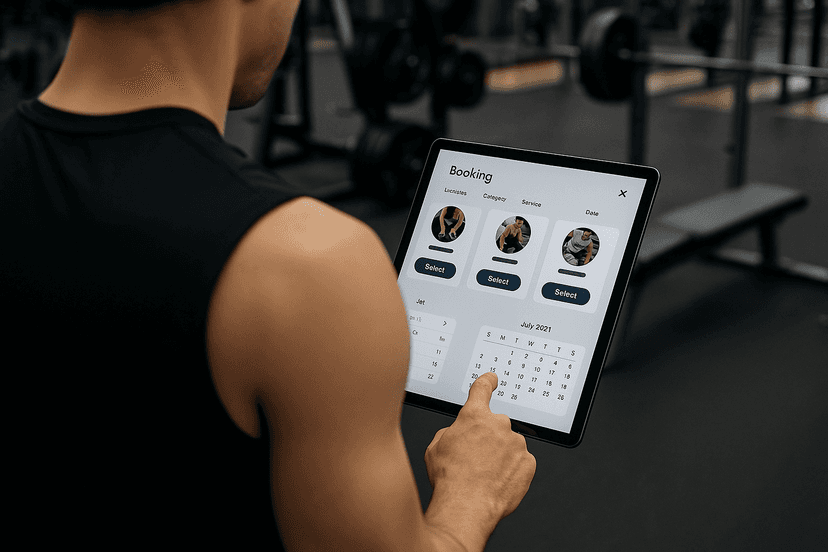
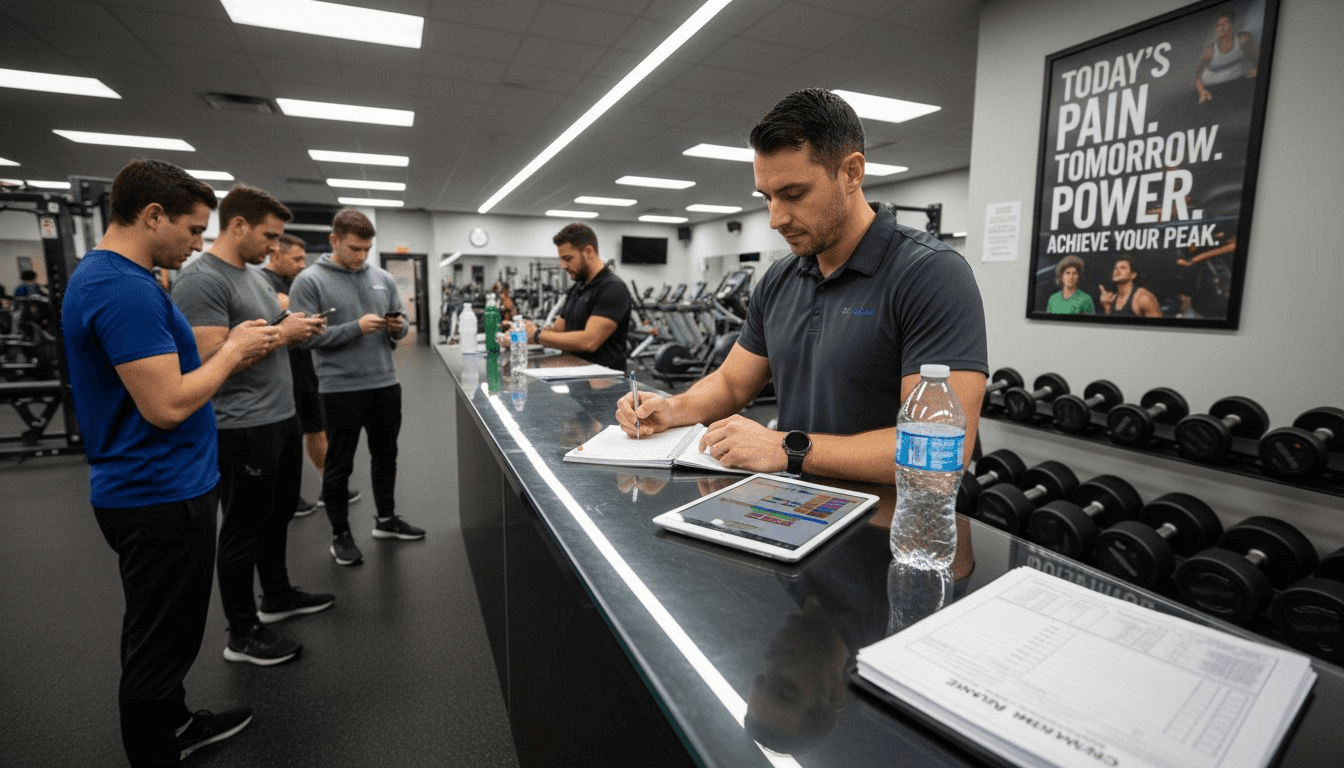
Juggling last-minute class changes with fluctuating instructor schedules often turns daily operations into a guessing game for gyms. For fitness studios aiming to grow, finding an effective way to manage these moving pieces is crucial. By mastering scheduling fundamentals, gym owners can maximize facility use, improve member satisfaction, and reduce administrative headaches, setting a foundation for consistent operational success.
Table of Contents
- Understanding Gym Scheduling Fundamentals
- Main Types And Methods Of Scheduling
- Essential Scheduling System Features
- How Scheduling Impacts Member Experience
- Key Risks, Costs, And Common Pitfalls
- Best Practices For Streamlined Scheduling
Key Takeaways
| Point | Details |
|---|---|
| Effective Gym Scheduling | Successful gym scheduling transforms operations, maximizing facility use and member satisfaction through intelligent technology solutions. |
| Types of Scheduling | Various scheduling methods, such as dynamic and predictive scheduling, cater to different operational needs and enhance member experience. |
| Core Features of Scheduling Systems | Essential features like user profile management and automated communication streamline operations and improve member engagement. |
| Strategic Implementation | A holistic approach to scheduling technology emphasizes adaptability, risk management, and member-centric design for long-term success. |
Understanding Gym Scheduling Fundamentals
Effective gym scheduling represents a critical operational backbone for fitness businesses, transforming chaotic daily management into a streamlined, efficient system. Modern gyms require sophisticated scheduling approaches that go far beyond basic calendar management, integrating complex member needs, instructor availability, and facility resources into a cohesive operational strategy.
A comprehensive gym management system provides the technological infrastructure necessary to handle these intricate scheduling demands. The core elements of successful gym scheduling include:
- Membership tracking and availability management
- Real-time class and session booking
- Instructor shift and availability coordination
- Facility resource allocation
- Dynamic scheduling flexibility
Understanding scheduling fundamentals requires recognizing that modern fitness centers operate as complex ecosystems where timing, resource management, and member experience intersect. Sophisticated scheduling systems enable gyms to:
- Maximize facility utilization
- Optimize instructor workloads
- Enhance member satisfaction
- Reduce administrative overhead
Effective scheduling transforms operational chaos into strategic precision.
Technological solutions now allow fitness businesses to create intelligent, adaptive scheduling frameworks that respond dynamically to changing member preferences and operational constraints. These systems go beyond simple time-blocking, incorporating predictive analytics and real-time adjustment capabilities.
Pro tip: Invest in scheduling technology that offers comprehensive integration and flexible customization to match your specific gym's unique operational workflow.
Main Types and Methods of Scheduling
Gym scheduling methodologies have evolved dramatically, transforming from manual paper-based systems to sophisticated digital platforms that offer unprecedented flexibility and precision. Decision support systems now enable fitness businesses to create intricate scheduling frameworks that balance multiple complex variables simultaneously.
The primary types of scheduling methods in fitness environments include:
- Static Scheduling: Predetermined, fixed class times and instructor assignments
- Dynamic Scheduling: Real-time adjustments based on member demand and facility constraints
- Hybrid Scheduling: Combining fixed and flexible scheduling approaches
- Predictive Scheduling: Using analytics to anticipate and preemptively manage scheduling needs
Each scheduling method offers unique advantages for different gym operational models. Static scheduling provides consistency and predictability, while dynamic approaches allow for more responsive and member-centric experiences. The most advanced systems integrate multiple scheduling techniques to create comprehensive management solutions.

Here's a quick comparison of gym scheduling methods and their ideal use cases:
| Scheduling Method | Best For | Adaptability Level |
|---|---|---|
| Static Scheduling | Consistent classes, simple gyms | Low |
| Dynamic Scheduling | High member demand, varied resources | High |
| Hybrid Scheduling | Mixed operational needs | Moderate |
| Predictive Scheduling | Data-driven franchises, large gyms | Very High |
Modern gym scheduling methods typically incorporate several key technological capabilities:
- Automated capacity management
- Real-time waitlist processing
- Instructor availability tracking
- Member preference learning
- Conflict resolution mechanisms
Technology transforms scheduling from a logistical challenge into a strategic advantage.
Successful implementation requires understanding the nuanced requirements of different fitness environments, from boutique studios to large multi-location fitness franchises. Each scheduling approach must be tailored to specific operational contexts, member demographics, and organizational goals.
Pro tip: Select a scheduling system that offers maximum configurability and can seamlessly adapt to your gym's unique operational rhythms and member expectations.
Essential Scheduling System Features
Modern gym scheduling systems have become sophisticated technological solutions that go far beyond simple time management. Gym management systems now integrate multiple critical features designed to streamline operations and enhance member experiences.
The core features of an effective scheduling system include:
- User Profile Management: Comprehensive member information tracking
- Class Registration: Seamless booking and waitlist capabilities
- Resource Allocation: Intelligent instructor and facility scheduling
- Automated Communication: Real-time notifications and reminders
- Payment Integration: Streamlined billing and transaction processing
Each feature plays a crucial role in creating a robust operational ecosystem. User profile management allows gyms to understand member preferences, while class registration systems provide flexibility and convenience. Resource allocation features ensure optimal use of instructors and facility spaces, minimizing conflicts and maximizing efficiency.
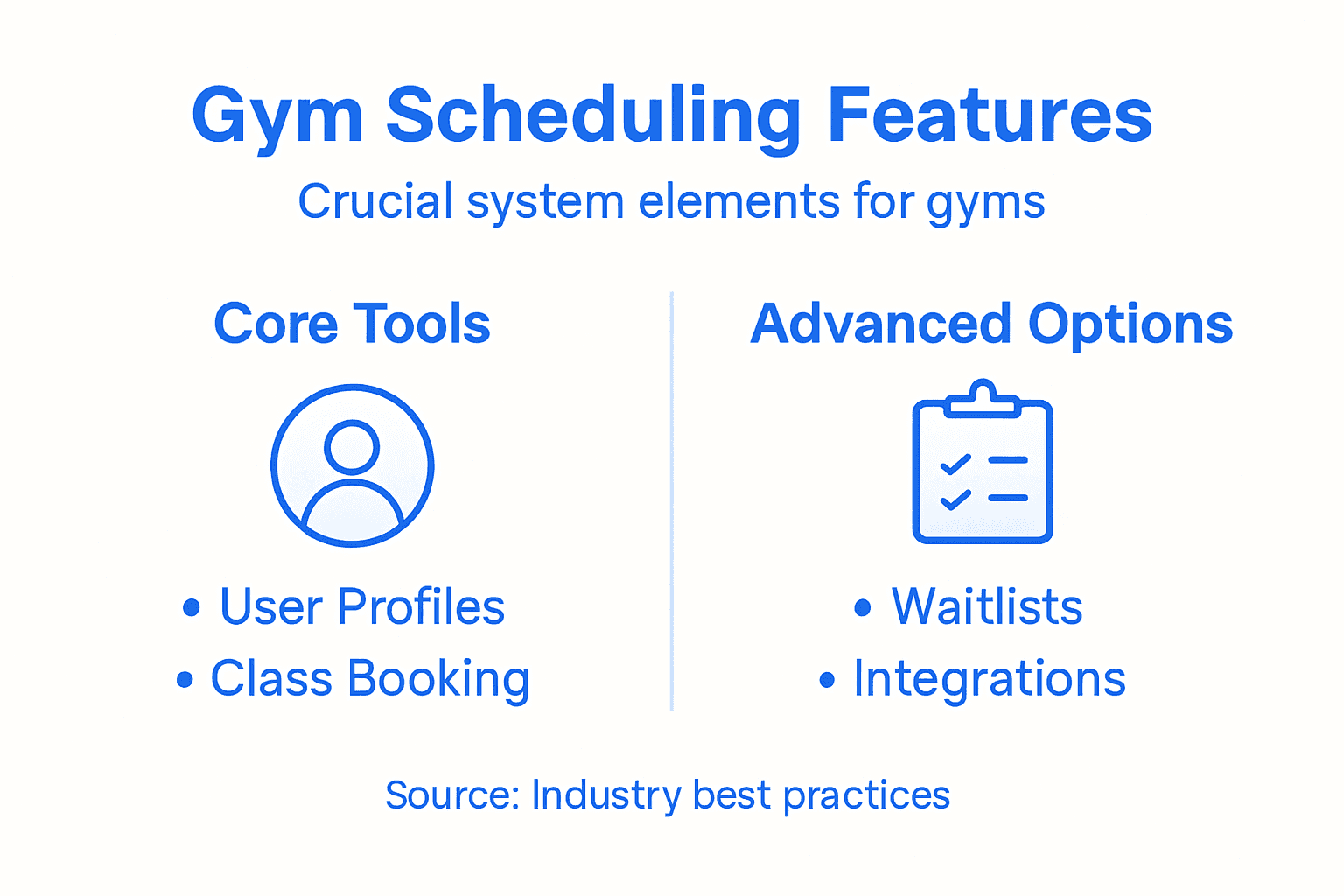
This table summarizes essential scheduling features and their business impact:
| Feature | Purpose | Business Impact |
|---|---|---|
| User Profile Management | Tracks member data | Enables tailored services |
| Class Registration | Manages bookings | Boosts convenience and revenue |
| Resource Allocation | Schedules staff and space | Reduces conflicts, improves efficiency |
| Automated Communication | Sends alerts and reminders | Enhances member engagement |
| Payment Integration | Handles transactions | Streamlines revenue collection |
Advanced scheduling systems typically incorporate sophisticated technological capabilities:
- Machine learning algorithms for predictive scheduling
- Mobile-responsive interfaces
- Multi-location synchronization
- Customizable reporting dashboards
- Member engagement analytics
A truly effective scheduling system transforms operational complexity into strategic opportunity.
Successful implementation requires selecting a system that can adapt to the unique needs of different fitness environments. From boutique studios to large multi-location franchises, the right scheduling technology can dramatically improve operational efficiency and member satisfaction.
Pro tip: Prioritize scheduling systems with high configurability and seamless integration capabilities to ensure maximum operational flexibility.
How Scheduling Impacts Member Experience
Scheduling represents far more than a simple logistical task in fitness environments - it is a critical touchpoint that directly shapes member satisfaction and engagement. Member retention strategies demonstrate that intelligent scheduling can significantly influence a member's perception of a gym's service quality and overall experience.
The key dimensions of scheduling's impact on member experience include:
- Convenience: Enabling flexible class and session booking
- Predictability: Creating consistent and reliable scheduling patterns
- Personalization: Matching member preferences and fitness goals
- Accessibility: Reducing barriers to participation
- Transparency: Providing clear, real-time scheduling information
Effective scheduling transforms the member journey by addressing fundamental psychological and practical needs. When members can easily find and book classes that align with their schedules and preferences, they experience a sense of empowerment and control that enhances their overall gym experience.
The most impactful scheduling approaches address multiple member experience dimensions:
- Minimizing wait times and scheduling conflicts
- Offering diverse class time options
- Supporting last-minute schedule adjustments
- Providing mobile and online booking capabilities
- Implementing intelligent waitlist management
Scheduling is not just about time management - it's about creating memorable fitness experiences.
Successful gyms recognize that scheduling is a strategic tool for building long-term member relationships. By prioritizing member-centric scheduling approaches, fitness centers can dramatically improve engagement, satisfaction, and retention rates.
Pro tip: Design your scheduling system with member flexibility and convenience as the primary considerations, not just operational efficiency.
Key Risks, Costs, and Common Pitfalls
Gym scheduling systems are complex technological investments that carry significant operational risks and potential financial implications. Fitness studio risk management requires a comprehensive understanding of potential challenges that can undermine operational effectiveness and member satisfaction.
The primary risks and pitfalls associated with gym scheduling systems include:
- Technological Vulnerabilities: System failures and data security breaches
- Operational Inefficiencies: Inflexible scheduling processes
- Financial Risks: Unexpected implementation and maintenance costs
- User Experience Challenges: Complex or unintuitive booking interfaces
- Compliance and Legal Risks: Inadequate data protection and privacy measures
Each risk category presents unique challenges that can significantly impact a gym's overall performance and member retention. Technological vulnerabilities, for instance, can lead to catastrophic system breakdowns, while operational inefficiencies might result in decreased member engagement and increased administrative burden.
Critical areas of potential financial and operational risks include:
- Initial software implementation expenses
- Ongoing system maintenance costs
- Staff training and adaptation requirements
- Potential revenue loss during system transitions
- Cybersecurity and data protection investments
Proactive risk management is the key to sustainable scheduling system success.
Successful gyms approach scheduling system implementation with a strategic, multi-dimensional perspective that anticipates and mitigates potential challenges. This requires a holistic approach that balances technological capabilities, financial considerations, and member experience requirements.
Pro tip: Conduct a comprehensive risk assessment and develop a detailed contingency plan before implementing any new scheduling system.
Best Practices for Streamlined Scheduling
Streamlining gym scheduling requires a strategic approach that balances technological capabilities with operational efficiency. Gym scheduling best practices provide a comprehensive framework for creating a robust, member-friendly scheduling ecosystem that minimizes administrative overhead and maximizes member satisfaction.
The core best practices for effective scheduling include:
- Automation: Implement intelligent scheduling systems with automated capabilities
- Flexibility: Design scheduling processes that adapt to member and instructor needs
- Transparency: Provide clear, real-time scheduling information
- Integration: Ensure seamless connections between scheduling, billing, and member management
- Personalization: Customize scheduling experiences based on member preferences
Successful scheduling strategies go beyond simple time management. They create a holistic approach that considers multiple operational dimensions, including resource allocation, member experience, and organizational efficiency. This requires a comprehensive understanding of technological capabilities and human behavioral patterns.
Key implementation steps for streamlined scheduling include:
- Conduct a thorough analysis of current scheduling processes
- Select flexible, scalable scheduling technology
- Train staff on new scheduling systems
- Establish clear communication protocols
- Regularly review and optimize scheduling workflows
Effective scheduling transforms operational complexity into strategic opportunity.
Gym managers must approach scheduling as a dynamic, continuously evolving process. This means remaining adaptable, leveraging technology intelligently, and maintaining a member-centric perspective that prioritizes convenience and experience.
Pro tip: Invest in scheduling technologies that offer comprehensive customization and real-time analytics to continuously improve your operational efficiency.
Elevate Your Gym Operations with Smarter Scheduling
Scheduling is the heart of gym success but it often brings operational headaches like managing class bookings, coordinating instructor availability, and balancing member preferences. This article highlights how dynamic, flexible scheduling drives member satisfaction and operational efficiency — key goals for any fitness business looking to grow and retain clients. Challenges like real-time booking adjustments, resource allocation, and seamless communication demand a powerful solution that integrates these complex needs.
Finegym.io answers this call by offering a comprehensive platform that combines class scheduling, member management, automated communication, and billing in one streamlined system. Imagine automatically handling waitlists, sending timely reminders, and optimizing your instructors’ calendar while giving members the freedom and convenience they expect. With Finegym.io’s ease of use and customizable features, you empower your team to focus on delivering memorable fitness experiences instead of wrestling scheduling chaos.
Transform scheduling from a daily burden into your gym’s competitive advantage. Explore how Finegym.io can simplify your operational workflow and boost member engagement by visiting Finegym.io. Discover real results with our all-in-one fitness business management platform now.
Ready to unlock seamless gym operations with smarter scheduling Pick Finegym.io today to maximize efficiency and member satisfaction in your fitness business. Start your journey to operational excellence immediately at Finegym.io.
Frequently Asked Questions
What is the importance of scheduling in gym operations?
Effective scheduling is crucial as it maximizes facility utilization, optimizes instructor workloads, enhances member satisfaction, and reduces administrative overhead.
What are the different types of gym scheduling methods?
The primary scheduling methods include static scheduling, dynamic scheduling, hybrid scheduling, and predictive scheduling, each offering different advantages based on gym operational needs.
How can technology improve gym scheduling?
Technology improves scheduling by providing real-time class and session booking, automated capacity management, and predictive analytics, allowing gyms to adjust schedules based on member demands and preferences.
What risks should be considered when implementing a gym scheduling system?
Key risks include technological vulnerabilities, operational inefficiencies, financial risks, user experience challenges, and compliance issues, all of which can impact a gym's performance and member retention.