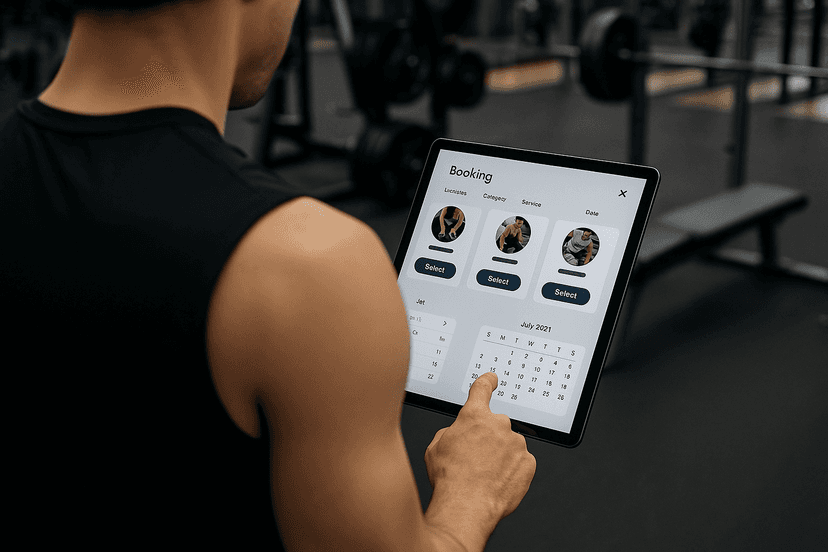
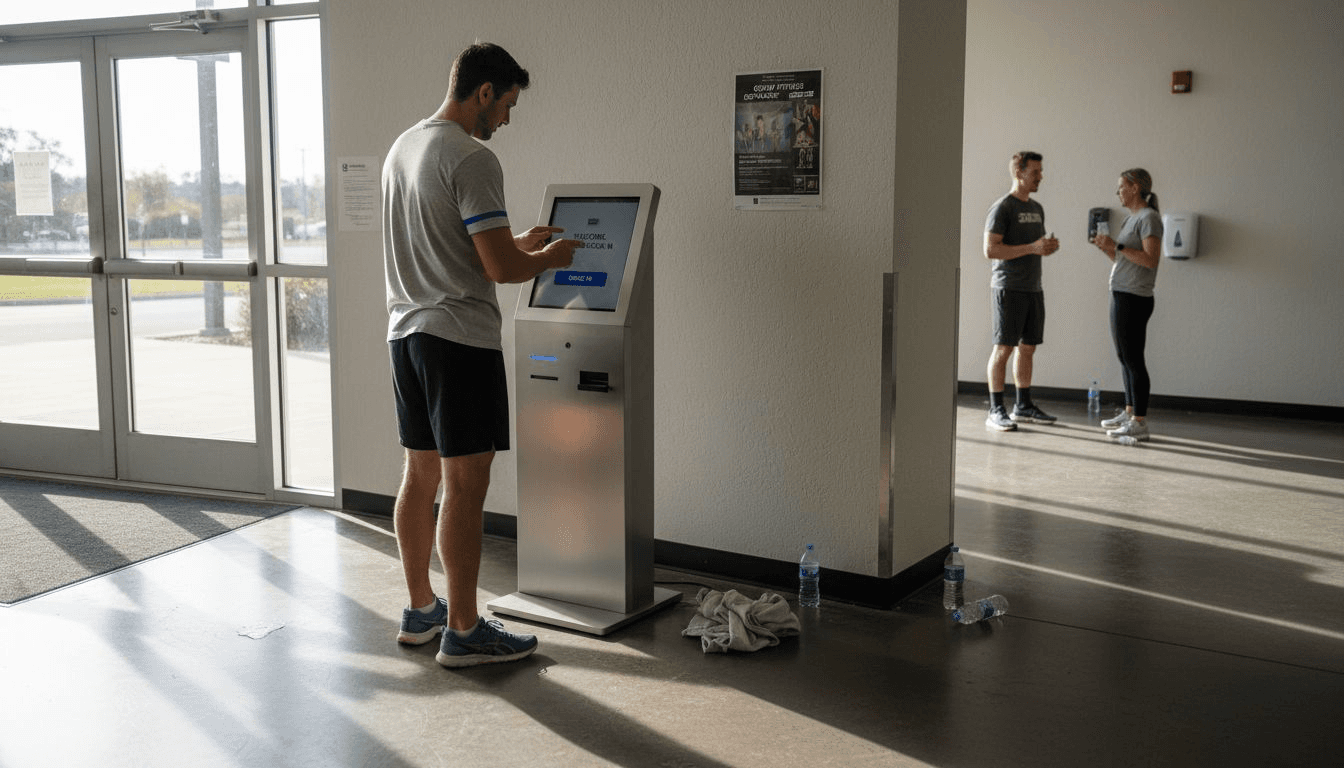
Managing member check-ins at a busy fitness studio can feel like juggling paperwork while your staff tries to build real engagement. Gym check-ins are more than tracking attendance; they shape how members interact with your facility and influence their motivation to return. As myths about complicated digital systems persist, understanding the true value of structured check-in interactions helps you create a more efficient and welcoming gym environment.
Table of Contents
- Defining Gym Check Ins And Common Myths
- Types Of Gym Check In Systems Explained
- Step-By-Step Process For Member Check Ins
- Data Security, Privacy, And Compliance Concerns
- Costs, Challenges, And Mistakes To Avoid
Key Takeaways
| Point | Details |
|---|---|
| Importance of Gym Check-Ins | Gym check-ins enhance member engagement and accountability, supporting long-term fitness commitment. |
| Modern Check-In Systems | Innovative digital check-in solutions streamline member entry while prioritizing user experience and data privacy. |
| Understanding System Types | Multiple gym check-in systems cater to different needs, each with unique advantages and challenges for varying facility sizes. |
| Data Privacy Considerations | Robust privacy strategies, including encryption and transparency, are essential for protecting member information and ensuring compliance. |
Defining Gym Check Ins and Common Myths
A gym check-in is a systematic process that allows fitness facility members to record their entry and access various facility services, transforming traditional manual registration methods into streamlined digital interactions. This process goes far beyond simply marking attendance, representing a sophisticated interaction between members and fitness environments.
Contrary to popular misconceptions, gym check-ins are not just administrative formalities but strategic touchpoints that enhance member engagement. Fitness habit research reveals these interactions play a crucial role in sustaining long-term exercise commitment by creating structured accountability mechanisms.
Common myths surrounding gym check-ins often create unnecessary barriers to understanding their true value. Here are some prevalent misconceptions:
- Check-ins are just about tracking attendance
- Digital check-ins are complicated and time-consuming
- Only large gyms benefit from advanced check-in systems
- Member privacy is compromised during digital check-ins
The reality is quite different. Fitness myth investigation demonstrates that modern check-in systems are designed with user experience and data protection as primary considerations. They streamline entry processes, provide valuable engagement metrics, and create personalized member experiences.
How Check-Ins Actually Work:
- Member identifies themselves (via mobile app, QR code, or membership card)
- System verifies membership status
- Access is granted to facility areas
- Attendance is automatically recorded
- Personalized welcome message or class recommendation may be triggered
Pro tip: Consider a digital check-in system that provides seamless, quick entry while collecting valuable engagement data for your fitness business.
Types of Gym Check In Systems Explained
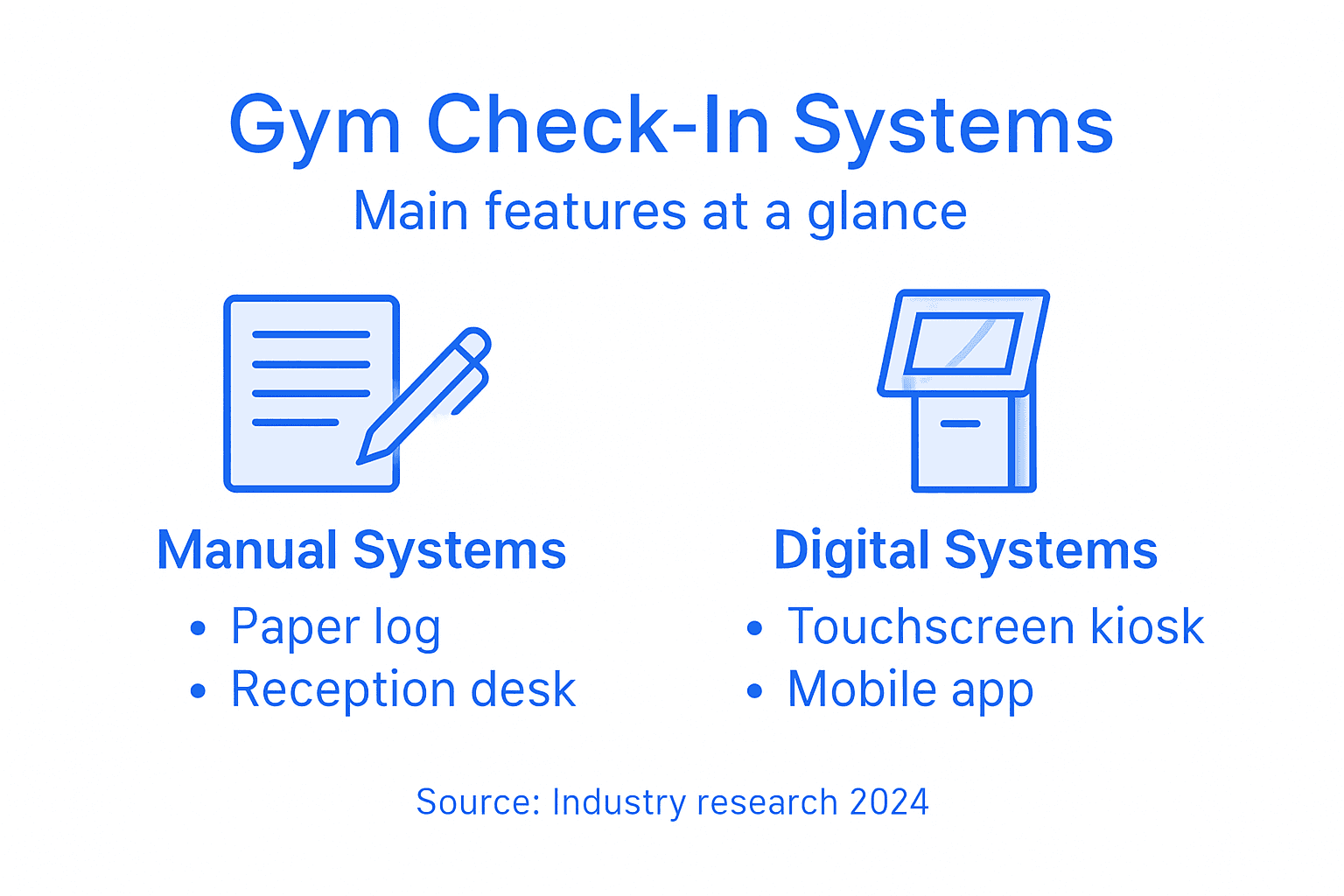
Gym check-in systems represent a critical technological infrastructure that enables fitness facilities to manage member access, track attendance, and enhance overall member experience. These systems have evolved significantly from traditional manual registration methods to sophisticated digital platforms that offer multiple interaction modes.
Check-in intervention strategies reveal multiple approaches to designing member entry systems, each tailored to specific operational needs and technological capabilities. Modern gym check-in systems typically fall into several distinct categories:
-
Manual Check-In Systems
- Paper sign-in sheets
- Clipboard registration
- Staff-managed entry logs
-
Card-Based Check-In Systems
- Membership ID cards
- Swipe card technologies
- Barcode scanning
-
Digital Check-In Systems
- Mobile app check-ins
- QR code scanners
- Biometric recognition
- Touchless entry mechanisms
Each system type offers unique advantages and challenges. Card-based systems, for instance, provide a physical verification method, while digital platforms enable more comprehensive data tracking and personalized member experiences.

Here's a side-by-side comparison of gym check-in system types and their business impacts:
| System Type | Core Benefit | Potential Drawback | Ideal Facility Size |
|---|---|---|---|
| Manual | Low technology costs | High risk of errors and delays | Small, low-traffic gyms |
| Card-Based | Speeds up entry | Cards can be lost or demagnetized | Small to medium gyms |
| Digital | Enables personalization | Higher upfront implementation | Medium to large gyms |
Comparative Check-In System Features:
- Speed of entry
- Data collection capabilities
- Member privacy protections
- Integration with existing gym management software
- Cost of implementation
Advanced Digital Check-In Capabilities:
- Automatic class registration
- Real-time attendance tracking
- Personalized member welcome messages
- Seamless integration with membership management platforms
- Performance and engagement analytics
Digital check-in systems transform basic entry processes into strategic member engagement opportunities, providing gyms with actionable insights and members with frictionless access.
Pro tip: Select a check-in system that balances technological sophistication with user-friendly design to maximize member adoption and operational efficiency.
Step-By-Step Process for Member Check Ins
Gym check-ins are more than just a simple entry process. They represent a strategic interaction between fitness facilities and their members, designed to create a seamless, efficient, and personalized experience from the moment a member arrives.
Check-in intervention strategies highlight the importance of a structured approach that goes beyond basic registration. The ideal check-in process involves multiple carefully orchestrated steps that enhance member engagement and operational efficiency.
Typical Member Check-In Workflow:
- Approach Check-In Area
- Verify Membership Status
- Complete Identity Verification
- Record Attendance
- Receive Personalized Welcome
Detailed Check-In Process Breakdown:
-
Pre-Arrival Preparation
- Ensure membership is active
- Review current class schedules
- Check personal fitness goals
-
Arrival and Identification
- Present membership credentials
- Scan QR code or membership card
- Biometric verification (optional)
-
Post-Check-In Experience
- Receive personalized notifications
- Get recommended workout routines
- Access facility amenities
Modern check-in systems transform a mundane entry process into a strategic member engagement opportunity, providing instant personalization and value.
The technological infrastructure supporting these check-ins enables gyms to collect valuable data, personalize member experiences, and create a more responsive fitness environment. Advanced systems can track attendance patterns, suggest classes based on member history, and even provide real-time fitness recommendations.
Key Technological Components:
- Mobile app integration
- Real-time membership verification
- Automated attendance tracking
- Personalization algorithms
- Data privacy protections
Pro tip: Implement a flexible check-in system that balances technological sophistication with user-friendly design to maximize member satisfaction and operational efficiency.
Data Security, Privacy, and Compliance Concerns
Data privacy represents a critical consideration for modern gym check-in systems, transforming technological interactions into carefully managed information exchanges that protect member confidentiality and organizational integrity.
Data privacy regulations mandate comprehensive strategies for safeguarding member information through robust technological and procedural controls. Gym management must navigate complex legal landscapes that require meticulous attention to data collection, storage, and protection protocols.
Key Privacy Protection Strategies:
- Implement end-to-end encryption
- Limit data collection to essential information
- Develop transparent consent mechanisms
- Create secure data storage infrastructures
- Establish clear member data usage policies
Compliance Framework Components:
- Member consent documentation
- Data minimization practices
- Secure authentication processes
- Regular security audits
- Incident response planning
Regulatory Compliance Requirements:
- GDPR (Global Data Protection Regulation)
- CCPA (California Consumer Privacy Act)
- HIPAA (Health Insurance Portability and Accountability Act)
- State-specific privacy legislation
- International data transfer regulations
Effective data privacy strategies transform potential legal risks into opportunities for building member trust and organizational credibility.
The technological infrastructure supporting these privacy measures must balance accessibility with rigorous security protocols. Advanced check-in systems integrate multi-layered authentication, ensuring that member data remains protected while providing seamless facility access.
Critical Security Technologies:
- Biometric authentication
- Tokenized membership credentials
- Real-time access monitoring
- Automated compliance reporting
- Secure cloud storage solutions
Pro tip: Design your gym's data management system with privacy as the foundational principle, treating member information as a sacred trust rather than a commodity.
Costs, Challenges, and Mistakes to Avoid
Gym check-in systems represent significant technological investments that require strategic planning and careful financial consideration. Understanding potential pitfalls and comprehensive cost structures is crucial for fitness businesses seeking to implement effective digital entry solutions.
Consumer price sensitivity research reveals that gym operators must carefully balance technological investment with perceived member value, avoiding common mistakes that can undermine system adoption and financial performance.
Common Financial Challenges:
- Initial hardware and software implementation costs
- Ongoing maintenance and upgrade expenses
- Training staff on new technological systems
- Integration with existing membership management platforms
- Potential return on investment timelines
Key Investment Considerations:
- Upfront technology procurement
- Software licensing fees
- Staff training expenses
- System customization costs
- Long-term maintenance budgeting
Mistakes Fitness Businesses Frequently Make:
- Selecting overly complex systems
- Underestimating implementation challenges
- Failing to conduct thorough cost-benefit analyses
- Neglecting staff and member training
- Overlooking scalability requirements
Successful technological adoption requires a holistic approach that considers financial constraints, operational capabilities, and member experience simultaneously.
The technological ecosystem supporting modern gym check-in systems involves multiple interconnected cost centers. Businesses must develop comprehensive strategies that account for both immediate expenses and long-term technological sustainability.
To help gym owners make informed decisions, here is a summary of cost management strategies and their advantages:
| Strategy | Financial Advantage | Operational Benefit |
|---|---|---|
| Vendor comparison | Reduces overall spend | Improves service quality selection |
| Incremental upgrades | Minimizes large upfront costs | Maintains up-to-date technology |
| Flexible packages | Spreads expenses over time | Adapts to changing needs |
| Total cost evaluation | Avoids hidden or surprise charges | Enables accurate budget forecasting |
Cost Management Strategies:
- Conduct comprehensive vendor comparisons
- Request detailed pricing breakdowns
- Evaluate total cost of ownership
- Negotiate flexible implementation packages
- Plan for incremental system upgrades
Pro tip: Create a detailed technological roadmap that aligns check-in system investments with your gym's specific operational goals and financial capabilities.
Streamline Your Gym Check-Ins with Finegym.io
The article highlights common challenges gyms face with check-in systems such as inefficient manual processes, data privacy concerns, and the need for seamless member engagement. If you want to transform your member check-ins into a strategic advantage that enhances accountability, personalization, and operational efficiency, Finegym.io offers the perfect solution. Our platform integrates QR code check-ins and automated attendance tracking to create frictionless entry experiences while protecting member data and improving your staff’s productivity.
Key benefits Finegym.io delivers:
- Fast, contactless member check-ins using mobile apps or QR codes
- Automated attendance records that support personalized class recommendations
- Robust data privacy compliance built into every feature
- Easy integration with your existing membership management tools

Take control of your fitness business operations today by upgrading to a smart check-in solution designed for gyms of all sizes. Visit Finegym.io now to see how our all-in-one platform can simplify your daily operations and boost member satisfaction. Don’t wait to deliver the seamless, secure check-in experience your members deserve. Explore the possibilities at Finegym.io and start transforming your gym’s engagement and retention today.
Frequently Asked Questions
What are gym check-ins?
Gym check-ins are systematic processes that allow members to record their entry to a fitness facility, utilizing technologies like mobile apps, QR codes, or membership cards for streamlined access and engagement.
How do gym check-ins enhance member experience?
Gym check-ins enhance member experience by providing personalized engagement, quick access through digital systems, and valuable data for gyms to tailor services and recommendations based on individual member activity.
What types of gym check-in systems are available?
There are several types of gym check-in systems including manual check-in systems, card-based systems, and digital check-in systems, each with distinct advantages and challenges for different facility needs.
What are the privacy concerns associated with gym check-ins?
Privacy concerns with gym check-ins revolve around data protection, requiring facilities to implement strong measures such as encryption, data minimization, and transparent consent protocols to safeguard member information.