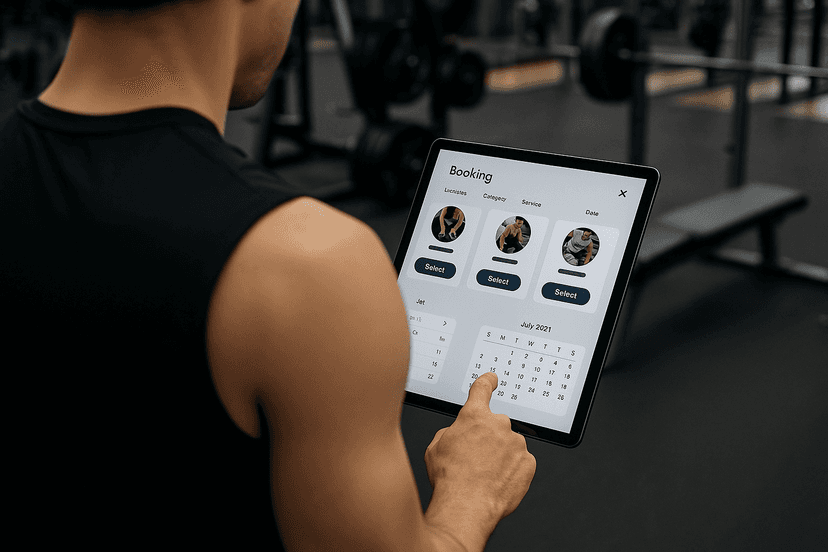

Keeping gym members engaged and coming back can be a constant challenge, even for the most dedicated gym managers. Scheduling classes at the right times and matching member preferences is no easy feat, especially when your members’ daily routines are always changing. But small adjustments to how you plan and manage your class schedules can make a big difference in how satisfied your members feel and how often they choose to renew.
Recent research shows that understanding attendance patterns and collecting member feedback is key for long-term retention. When you have the right tools and strategies in place, you can craft schedules that work with—not against—your members' lives. In the steps ahead, you’ll discover proven, actionable methods to optimize your scheduling, improve member loyalty, and create a gym experience your community will not want to miss.
Table of Contents
- Assess Member Preferences Before Scheduling
- Utilize Integrated Scheduling Software Solutions
- Plan Class Times to Maximize Attendance
- Automate Waitlists and Cancellations Efficiently
- Balance Staff Schedules for Improved Coverage
- Track and Analyze Scheduling Data Regularly
- Communicate Schedule Changes Clearly to Members
Quick Summary
| Key Message | Explanation |
|---|---|
| 1. Assess Member Preferences Regularly | Use surveys and data analysis to align class schedules with members’ lifestyles and increase satisfaction. |
| 2. Implement Integrated Scheduling Software | Streamline operations and member interactions by using software that manages class registration, payments, and data insights efficiently. |
| 3. Plan Class Times Based on Data | Analyze attendance patterns to optimize class schedules that cater to different member availability and preferences. |
| 4. Automate Waitlist and Cancellation Processes | Implement systems that notify members automatically, reducing administrative workload and improving member satisfaction with class availability. |
| 5. Communicate Schedule Changes Effectively | Use multiple channels and clear messaging to keep members informed about changes, enhancing trust and loyalty. |
1. Assess Member Preferences Before Scheduling
Understanding member preferences isn't just good practice—it's a strategic imperative for gym managers seeking to boost retention and satisfaction. By proactively gathering data on when and how members want to attend classes, you can create schedules that align with their lifestyles and work patterns.
Research demonstrates that member attendance behaviors significantly impact retention. Gyms that systematically collect and analyze member preference data can design more targeted, appealing class schedules.
To effectively assess member preferences, consider these strategic approaches:
- Conduct regular member surveys about preferred class times
- Analyze historical check-in data to identify peak attendance hours
- Use digital tools to track individual member attendance patterns
- Create flexible scheduling options across different time slots
- Offer multiple class format variations to accommodate diverse schedules
Member preference data is the blueprint for creating a scheduling strategy that members will actually use.
Gathering this information doesn't just improve scheduling—it demonstrates that your gym values member input and is committed to personalized fitness experiences. By showing you're listening, you build stronger member relationships and increase the likelihood of long-term engagement.
Pro tip: Implement a quarterly preference review to continuously adapt your class schedule based on evolving member needs and emerging attendance trends.
2. Utilize Integrated Scheduling Software Solutions
Modern fitness businesses demand sophisticated technological solutions that streamline complex operational challenges. Integrated scheduling software offers comprehensive management capabilities that transform how gyms handle member interactions and class management.
Today's gym managers need tools that do more than simply track class times. An integrated scheduling system provides a holistic approach to managing fitness center operations by combining multiple critical functions into one seamless platform.
Key advantages of utilizing integrated scheduling software include:
- Automated class registration and waitlist management
- Real-time capacity tracking and member communication
- Simplified payment processing and membership tracking
- Data-driven insights about class popularity and member preferences
- Reduced administrative workload through intelligent automation
Integrated scheduling software isn't just a tool—it's a strategic asset for modern fitness businesses.
Implementing these software solutions allows gym managers to focus on delivering exceptional member experiences instead of getting bogged down by administrative tasks. The technology enables personalized engagement while maintaining operational efficiency.
By selecting a robust scheduling platform, you can create a more responsive and member-centric fitness environment that adapts quickly to changing member needs and preferences.
Pro tip: Choose a scheduling software that offers robust reporting features and integrates seamlessly with your existing membership management systems to maximize operational effectiveness.
3. Plan Class Times to Maximize Attendance
Successful gym management hinges on strategically scheduling classes that align with member availability and preferences. Optimizing class scheduling requires careful analysis of member behavior and lifestyle patterns.
Understanding peak attendance times is more than just guesswork. It involves collecting and interpreting data about when your members are most likely to participate in fitness activities.
Key strategies for planning optimal class times include:
- Analyze historical attendance data for recurring patterns
- Survey members about their preferred workout times
- Consider work schedules for different demographic groups
- Create diverse time slots to accommodate varied lifestyles
- Track and adjust class times based on real-world attendance
Smart scheduling transforms class availability from a logistical challenge into a member retention strategy.
Different member segments have unique scheduling preferences. Morning classes might attract professionals with early work schedules while evening classes could appeal to shift workers or parents managing family responsibilities.
Successful gyms recognize that flexible scheduling is a competitive advantage. By offering a range of class times and continuously refining your approach based on member feedback and attendance data you can create a more engaging fitness experience.
Pro tip: Implement a quarterly review of class attendance data and be willing to adjust your schedule dynamically to match evolving member preferences.
4. Automate Waitlists and Cancellations Efficiently
Modern fitness centers require sophisticated systems that transform potential scheduling challenges into streamlined member experiences. Automated management systems dramatically improve operational efficiency by eliminating manual tracking and communication bottlenecks.
Waitlist and cancellation management represents a critical operational touchpoint that can significantly impact member satisfaction and class utilization. When done manually these processes consume substantial staff time and create friction in the member experience.
Key benefits of automated waitlist and cancellation systems include:
- Instant member notifications about class availability
- Automatic spot reassignment when cancellations occur
- Reduced administrative workload for staff
- Real-time tracking of class capacities
- Minimized revenue loss from unfilled class slots
Automation transforms scheduling from a logistical challenge into a member-centric opportunity.
Successful implementation requires selecting software that provides seamless communication and intuitive interfaces. Members appreciate systems that quickly inform them about class changes without requiring manual intervention.
By leveraging technology to manage waitlists and cancellations you create a more responsive and member-friendly fitness environment. The goal is to make scheduling feel effortless for both your team and your members.
Pro tip: Configure your automated system to send personalized waitlist updates and implement a fair first-come first-served policy for class replacements.
5. Balance Staff Schedules for Improved Coverage
Staff scheduling is more than just filling time slots—it's about creating a strategic framework that ensures optimal gym operations and member satisfaction. Effective staff scheduling requires analytical forecasting to match workforce capacity with anticipated demand.
Balancing staff schedules demands a nuanced approach that considers multiple variables including peak hours workload fitness class requirements and individual staff member availability and expertise.
Key strategies for effective staff scheduling include:
- Map out peak activity hours across different gym zones
- Create flexible shift configurations
- Cross-train staff for multiple roles
- Develop backup coverage plans
- Utilize scheduling software with predictive analytics
- Monitor staff workload and prevent burnout
Smart scheduling transforms staff management from a logistical challenge into a strategic advantage.
Staff scheduling is not about rigid time blocks but creating a dynamic system that responds to your gym's unique rhythms. Each staff member brings different skills and availability making thoughtful scheduling crucial for maintaining high-quality member experiences.
By implementing intelligent scheduling practices you can ensure consistent coverage minimize understaffing risks and create a more engaged workforce that feels supported and valued.
Pro tip: Rotate staff across different zones and responsibilities to prevent monotony and develop a more versatile team with broad skill sets.
6. Track and Analyze Scheduling Data Regularly
Data-driven decision making separates successful gym managers from those merely guessing at operational strategies. Key performance metrics reveal critical scheduling insights that can transform how fitness centers optimize their class schedules and member experiences.
Regular data tracking goes beyond simple record keeping—it's about understanding the underlying patterns that drive member engagement and facility utilization. By systematically analyzing scheduling data you can make precise adjustments that directly impact member satisfaction and retention.
Critical metrics to track and analyze include:
- Class attendance rates across different time slots
- Peak usage hours for various gym zones
- Member check-in frequency and patterns
- Waitlist and cancellation rates
- Staff scheduling efficiency
- Revenue per class time segment
Data transforms scheduling from an art of guesswork into a science of precision.
Successful analysis requires consistent and comprehensive data collection. Modern gym management software can automate much of this tracking providing real-time insights that enable proactive scheduling adjustments.
By implementing a robust data tracking system you create a dynamic feedback loop that continuously refines your scheduling strategy helping you stay responsive to member needs and operational challenges.
Pro tip: Set up monthly data review sessions where you compare current scheduling metrics against historical trends to identify emerging patterns and opportunities for optimization.
7. Communicate Schedule Changes Clearly to Members
Transparent communication is the cornerstone of maintaining member trust and engagement during schedule disruptions. Digital platforms enable effective change management by providing instant and comprehensive notifications to members.
Schedule changes are inevitable in fitness centers but how you communicate these changes can make the difference between member frustration and understanding. Proactive and clear communication demonstrates respect for your members time and commitments.
Key strategies for communicating schedule changes include:
- Use multiple communication channels
- Provide advanced notice whenever possible
- Explain the reason behind schedule modifications
- Offer alternative class options or makeup sessions
- Create a consistent communication template
- Personalize notifications when feasible
Effective communication transforms scheduling challenges into opportunities for member loyalty.
Timely and transparent notifications are more than just courteous—they're a critical component of member retention. By giving members clear information and options you show that you value their fitness journey and time.
Successful gyms treat communication as a strategic tool not just an operational necessity. This approach helps members feel supported and reduces potential frustration during unexpected scheduling shifts.
Pro tip: Create a standardized communication protocol that includes immediate digital notifications followed by personalized follow-up for significant schedule changes.
Below is a comprehensive table summarizing the key strategies and recommendations discussed in the article for optimizing gym management and member satisfaction through effective scheduling practices.
| Strategy | Actions | Benefits |
|---|---|---|
| Assess Member Preferences | Conduct surveys, analyze check-ins, utilize digital tools | Align class schedules with member needs and improve retention |
| Utilize Scheduling Software | Employ systems with automation and analytics capabilities | Enhance operational efficiency and personalize experiences |
| Optimize Class Times | Analyze attendance patterns, diversify slots | Accommodate diverse member lifestyles, boost attendance |
| Automate Waitlists | Implement advanced management tools | Reduce staff workload, improve member satisfaction |
| Balance Staff Schedules | Employ predictive analytics, cross-train employees | Ensure consistent staffing, prevent burnout |
| Track and Analyze Data Regularly | Use performance metrics to adjust scheduling | Make informed revisions, elevate member engagement |
| Communicate Clearly | Use multiple channels, offer alternatives | Build trust and loyalty during changes |
Transform Gym Scheduling Challenges Into Growth Opportunities with Finegym.io
Managing complex class schedules and staff rosters while keeping members engaged can feel overwhelming. This article highlights key challenges like balancing staff coverage, automating waitlists and cancellations, and optimizing class times based on member preferences. Your goal is clear: deliver a seamless scheduling experience that boosts attendance and satisfaction without burning out your team.
Finegym.io is designed to tackle these exact pain points by offering an integrated platform that streamlines class scheduling, automates member communications, and simplifies staff management in one place. With powerful tools to track attendance patterns and adjust schedules dynamically, you can stay ahead of evolving member needs and operational demands.
Ready to elevate your gym operations and maximize member retention today
 Take the first step toward smarter scheduling and smoother management with Finegym.io. Discover how our all-in-one solution can empower your gym to deliver exceptional experiences while saving time and reducing administrative stress. Visit Finegym.io now to learn more and start your journey toward effortless gym management.
Frequently Asked Questions
How can I assess member preferences for gym class scheduling?
Understanding member preferences can be achieved by conducting regular surveys, analyzing historical attendance data, and using digital tools to track individual attendance patterns. Collect this data to create a schedule that matches your members' lifestyles and improves retention rates.
What features should I look for in integrated scheduling software?
Choose scheduling software that offers automated class registration, real-time capacity tracking, and data-driven insights on class popularity. Implementing such features can streamline operations and enhance the member experience significantly.
How can I maximize attendance with class timings?
To maximize attendance, analyze historical attendance data and survey members about their preferred class times. Create diverse time slots that cater to various member demographics, ensuring that classes are scheduled when most members are available.
How can I automate waitlists and cancellations for better member experience?
Utilizing an automated management system for waitlists and cancellations can instantly notify members about class availability and reassign spots. This efficiency not only reduces staff workload but also improves member satisfaction by minimizing the hassle associated with scheduling changes.
What strategies can I use for effective staff scheduling at my gym?
Map out peak activity hours and create flexible shift configurations to accommodate member demand. Cross-train staff for multiple roles to ensure optimal coverage while considering individual member needs to maintain high service levels.
How do I track and analyze scheduling data regularly for improvements?
Regularly track class attendance rates, peak usage hours, and member check-in frequencies. Establish a monthly review process to identify patterns and make necessary adjustments to your class schedule, enhancing overall member satisfaction.