
Access control systems have revolutionized the fitness industry, enabling gyms to enhance security, streamline operations, and improve the member experience. Whether you're a gym owner or manager, implementing the right system can transform how your facility operates.
According to the International Health, Racquet & Sportsclub Association (IHRSA), over 65% of fitness facilities now utilize some form of automated access control, with this number increasing annually as technology costs decrease and security concerns grow. The global gym industry, valued at over $96 billion in 2024, continues to invest heavily in technology that improves operational efficiency while reducing overhead costs.
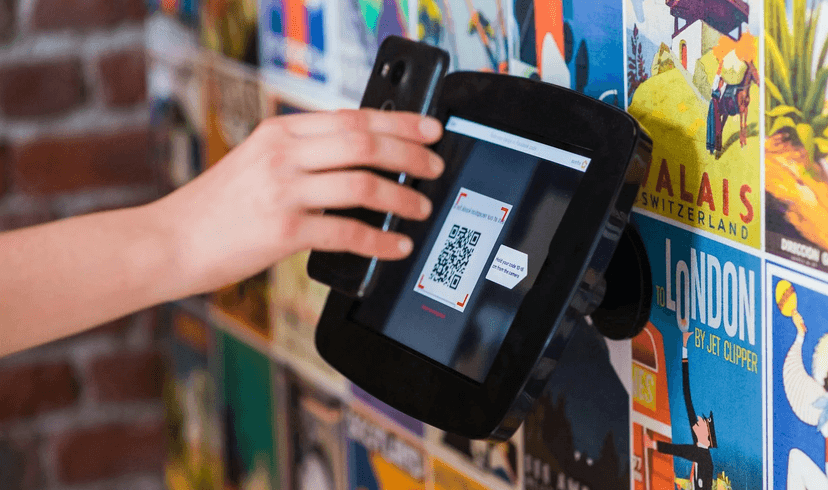
This blog explores the technology behind gym access control systems, tips for implementation, and how they improve operational efficiency and security. For facilities looking to modernize check-in processes, QR code check-in systems offer a contactless, technology-forward approach. You'll also learn how to choose and integrate systems like gym fobs, key cards, and app-based solutions.
What Are Gym Access Control Systems?
Gym access control systems regulate who can enter and exit your facility. These systems use digital and automated solutions to improve security and ease of use while providing valuable business intelligence through member activity data.
They typically combine hardware—like fobs, magnetic card readers, or door locks—with software that tracks entries, validates memberships, and restricts unauthorized access. Modern systems go far beyond simple entry control, offering features like:
- Real-time membership verification against your database
- Detailed audit trails showing who entered when and for how long
- Integration with payment processing to block access for overdue accounts
- Multi-zone access control for different facility areas (VIP sections, group fitness studios, etc.)
- Emergency management features including lockdown capabilities and occupancy tracking
The goal is creating a seamless, secure experience for members while providing gym owners with operational insights that drive business decisions. Studies show that facilities with automated access control see a 25-30% reduction in unauthorized usage and 40% fewer front desk staffing requirements during off-peak hours.
Types of Gym Access Control Systems
Gym Fob Systems and Key Cards
The most common solution for 24-hour gyms, members receive a small RFID fob or magnetic stripe card that grants facility access. These systems are popular because they're:
- Cost-effective: Basic fob systems start at $500-2,000 for hardware plus $1-3 per fob
- Reliable: Work in all weather conditions and require no power from the member device
- Easy to manage: Can be quickly activated or deactivated through software
- Scalable: Handle hundreds or thousands of members without performance issues
Best for: 24-hour facilities, gyms with budget constraints, and locations with limited smartphone adoption among members.
Biometric Systems
These high-tech solutions use fingerprints, facial recognition, or iris scanning to verify member identity. While more expensive, biometric systems offer unparalleled security:
- Fingerprint scanners: Most common biometric option, typically costing $2,000-5,000 per entry point
- Facial recognition: Advanced AI-powered systems that can identify members in real-time
- Multi-factor biometric: Combines two or more biometric identifiers for maximum security
Industry data shows biometric systems substantially reduce access fraud compared to traditional card systems. However, initial costs are 3-5x higher than fob systems.
Best for: High-end facilities, corporate gyms with security requirements, and locations with valuable equipment.
Mobile App-Based Entry
Modern smartphone-based solutions offer the ultimate in convenience and functionality:
- QR Code scanning: Members scan unique, time-limited codes generated by your app
- Bluetooth proximity: Automatic door unlocking when members approach with the app
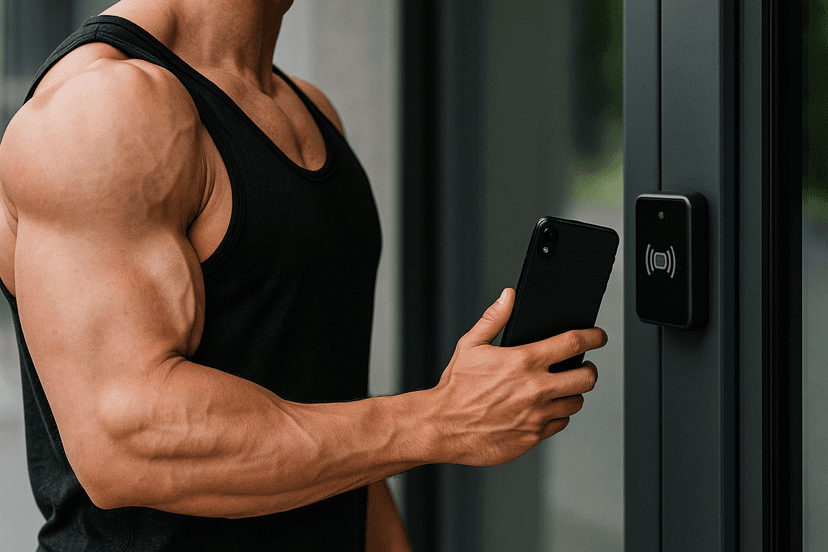
- NFC tapping: Quick phone-to-reader contact for instant access
- GPS geofencing: Additional security layer that only activates access within facility proximity
Research indicates that most gym members prefer mobile app access over traditional methods when available. Finegym's mobile app generates secure QR codes that refresh every 30 seconds, preventing screenshot sharing and unauthorized access. This technology integrates seamlessly with modern gym membership management systems to provide comprehensive member verification.
Best for: Tech-savvy member bases, facilities wanting to reduce physical tokens, and gyms seeking rich analytics data.
Gym Software with Door Access
Advanced integrated systems combine access control with comprehensive gym management platforms. These solutions offer:
- Unified member database connecting access control, payments, and scheduling
- Automated membership validation that blocks access for expired or frozen accounts
- Real-time capacity monitoring to enforce occupancy limits
- Detailed analytics on member usage patterns and facility utilization
Finegym's integrated approach means your access control system works seamlessly with member management, scheduling, payment processing through Stripe, and mobile app features—all from one platform. This unified system supports efficient class scheduling and check-in workflows that enhance both security and member convenience.
Best for: Full-service gyms, multi-location chains, and facilities wanting comprehensive operational insights.
Benefits of Gym Access Control Systems
Enhanced Security and Risk Reduction
Modern access control systems significantly improve facility security through multiple mechanisms:
- Prevent unauthorized access and substantially reduce break-in risks according to security industry studies
- Eliminate key sharing that occurs with traditional lock-and-key systems
- Create detailed audit trails showing exactly who accessed your facility and when
- Enable immediate lockdown in emergency situations
- Reduce insurance premiums as many providers offer discounts for facilities with automated access control
Operational Efficiency and Automation
Access control systems streamline daily operations and reduce manual workload:
- Automate check-ins and reduce front desk staffing needs, especially during off-peak hours
- Eliminate manual attendance tracking with automatic logging of member visits
- Reduce staff training time as systems require minimal human intervention
- Enable 24/7 operations without additional staffing costs
- Integrate with payment processing to automatically restrict access for overdue accounts
Improved Member Experience
Members benefit from faster, more convenient facility access:
- Quick, seamless access without long queues or wait times
- Consistent availability regardless of staff schedules or peak times
- Reduced friction in the member journey from entry to workout
- Mobile convenience when using app-based systems
- Privacy protection through secure, individualized access credentials
Comprehensive Data Analytics
Access control systems provide valuable business intelligence:
- Real-time occupancy data to manage capacity and peak usage hours
- Member behavior insights showing usage patterns and frequency
- Equipment utilization analysis when combined with zone-based access
- Revenue optimization opportunities through peak hour pricing insights
- Predictive maintenance scheduling based on facility usage patterns
Long-term Cost Savings
While initial investment varies, access control systems deliver measurable ROI:
- Minimize manual processes and recurring staffing costs
- Reduce lost revenue from unauthorized facility usage
- Lower insurance costs through improved security measures
- Decrease equipment theft and vandalism
- Improve member retention through enhanced convenience and security
Automated access control systems can deliver meaningful returns through reduced staffing costs, improved security, and operational efficiency.
Key Steps to Implementing a Gym Access Control System
1. Assess Your Gym's Needs
Conduct a comprehensive analysis of your facility requirements:
- Facility size and layout: Count entry/exit points, identify security zones, measure member flow patterns
- Member demographics: Consider tech comfort levels, peak usage times, and accessibility needs
- Operating hours: 24/7 facilities need more robust systems than staffed-hours-only gyms
- Budget constraints: Factor in both upfront costs and ongoing operational expenses
- Current pain points: Document existing security issues, staffing challenges, or member complaints
- Growth projections: Plan for membership expansion and potential additional locations
2. Choose the Right Type of System
Match your gym's specific needs with the appropriate technology:
- 24-hour gyms: RFID fobs or mobile app systems for unmanned access
- Small studios (under 200 members): Simple keypad or basic fob systems
- Premium facilities: Biometric systems for enhanced security and member experience
- Multi-location chains: Integrated software solutions like Finegym that work across all sites
- High-traffic facilities: Fast-processing systems that handle peak hour rushes
- Budget-conscious operations: Start with basic fob systems and upgrade over time
3. Ensure Software Compatibility and Integration
Modern access control requires seamless integration with your gym management platform:
- API compatibility: Verify that hardware can communicate with your membership software
- Real-time synchronization: Ensure membership status updates reflect immediately in access permissions
- Payment integration: Connect with Stripe or other payment processors to automate access based on account status
- Mobile app connectivity: If using app-based access, ensure smooth integration with your branded mobile application
- Reporting capabilities: Confirm the system can generate detailed analytics and audit reports
- Multi-location support: For gym chains, verify centralized management capabilities
Finegym's platform is designed for seamless integration, supporting most major access control hardware while providing comprehensive member management, scheduling, and analytics in one system.
4. Budget Wisely and Plan for Total Cost of Ownership
Consider all financial aspects of your access control implementation:
- Hardware costs: Entry readers, door locks, controllers, and installation
- Software licensing: Monthly/annual fees for cloud-based management platforms
- Installation and setup: Professional installation typically costs $500-2,000 per entry point
- Ongoing maintenance: Factor in 10-15% of hardware cost annually for maintenance and updates
- Member credentials: Fobs, cards, or app setup costs
- Training and support: Staff training time and ongoing technical support
- Scalability planning: Budget for additional entry points and member growth
5. Train Your Team Comprehensively
Successful implementation requires thorough staff preparation:
- System administration: Train managers on adding/removing members, generating reports, and troubleshooting
- Emergency procedures: Establish protocols for system failures, lockouts, and security incidents
- Member support: Prepare front desk staff to help members with access issues and system features
- Maintenance basics: Teach staff to recognize and address common hardware issues
- Documentation: Create detailed procedures manuals and quick reference guides
- Ongoing education: Plan regular training updates as systems evolve and new features are added
6. Communicate with Members Effectively
Clear member communication ensures smooth adoption and reduces support calls:
- Pre-launch announcement: Give members 2-4 weeks advance notice with clear implementation timeline
- Multiple communication channels: Use email, in-gym signage, mobile app notifications, and social media
- Detailed instructions: Create step-by-step guides with screenshots for different access methods
- FAQ development: Address common questions about security, privacy, and troubleshooting
- Live demonstrations: Host brief sessions showing members how to use the new system
- Support resources: Provide multiple ways for members to get help, including phone, email, and in-person assistance
Implementation Benefits Across Different Facility Types
Boutique Studio Implementation Benefits
Small to medium-sized boutique fitness studios implementing modern access control systems typically experience:
Common Challenges Addressed: High staffing costs during low-traffic hours and security concerns with traditional access methods.
Typical Solutions: RFID key card systems or mobile app-based access integrated with membership management platforms.
Expected Results:
- Reduced front desk staffing costs by eliminating need for constant reception coverage
- Decreased unauthorized access incidents
- Notable savings in labor costs
- Improved member satisfaction due to faster entry process
24-Hour Facility Modernization Benefits
Facilities operating around the clock that upgrade to modern access control typically see:
Common Challenges Addressed: High physical credential replacement costs, security concerns with shared access, and limited data on member usage patterns.
Typical Solutions: Mobile app-based QR code systems with real-time analytics integration.
Expected Benefits:
- Reduced access credential costs by eliminating physical replacements
- Enhanced security through time-limited digital codes preventing sharing
- Valuable usage analytics revealing optimal staffing hours and maintenance schedules
- Increased off-peak usage due to improved member confidence in security
Multi-Location Chain Implementation Benefits
Premium fitness chains implementing comprehensive access control across locations typically achieve:
Common Challenges Addressed: Managing member access across multiple locations, preventing membership fraud, and maintaining consistent security standards.
Typical Solutions: Biometric systems or unified digital access integrated with centralized management platforms.
Expected Outcomes:
- Reduced membership fraud across all locations
- Seamless multi-location access that can positively impact member retention
- Enhanced premium positioning supporting higher membership rates
- Centralized reporting capabilities improving operational decision-making and resource allocation
Security Considerations and Best Practices
Physical Security Measures
Protect your hardware investment and maintain system integrity:
- Tamper-resistant installations: Mount readers and controllers in secure locations away from public access
- Environmental protection: Use weatherproof housing for outdoor installations and surge protection for all electronic components
- Regular maintenance inspections: Check for physical damage, loose connections, or signs of tampering monthly
- Backup power systems: Install UPS systems to maintain security during power outages
- Emergency access protocols: Maintain secure manual override procedures for system failures
Digital Security and Data Protection
Safeguard member information and system access:
- Encrypted communications: Ensure all data transmission between readers, controllers, and software uses SSL/TLS encryption
- Regular software updates: Keep all system software current with security patches and updates
- Access privilege management: Limit administrative access to essential personnel only with role-based permissions
- Secure credential storage: Use encrypted databases for member credentials and access logs
- Regular security audits: Conduct quarterly reviews of access logs and system vulnerabilities
Operational Security Protocols
Implement procedures to prevent unauthorized access:
- Immediate deactivation: Have protocols to instantly disable lost fobs, cards, or compromised mobile app access
- Anti-passback features: Prevent members from using single credentials to allow multiple people entry
- Time-based restrictions: Set facility access hours to prevent after-hours unauthorized entry
- Visitor management: Establish clear protocols for guest access and temporary credentials
- Regular credential audits: Review active credentials quarterly and deactivate unused or expired access
Privacy and Compliance Considerations
Ensure your system meets legal and ethical standards:
- Data retention policies: Establish clear guidelines for how long access logs and member data are stored
- GDPR/privacy compliance: If applicable, ensure systems meet data protection regulations
- Member consent: Clearly communicate what data is collected and how it's used, especially for biometric systems
- Third-party integrations: Verify that any connected systems or vendors maintain appropriate security standards
How Finegym Enhances Gym Access Control
While traditional access control systems manage facility entry, they're even more powerful when integrated with comprehensive gym management software. Finegym provides several features that complement and enhance your access control system:
QR Code Check-In System
Finegym's mobile app generates unique QR codes for each member, offering a modern approach to access control:
- Contactless Entry: Members simply scan their personal QR code for quick, secure access
- Real-Time Validation: The system instantly verifies membership status and access privileges before granting entry
- No Physical Tokens: Eliminates the need for physical fobs or cards that can be lost or damaged
- Multi-Location Support: Works seamlessly across multiple locations with centralized management
PIN-Based Backup System
For members without their phones or experiencing technical issues, Finegym offers a PIN-based alternative:
- Convenient Backup: Ensures members can still access facilities even without their mobile device
- Customizable Security: Set PIN complexity requirements to balance security and convenience
- Quick Implementation: Easy to set up and integrate with existing door systems
Comprehensive Attendance Tracking
Finegym goes beyond simple access control by providing valuable data and insights:
- Real-Time Dashboard: See which members are currently in your facility at a glance
- Attendance History: Access detailed records of check-ins by date, time, and location
- Membership Validation: Automatically prevents access for expired or frozen memberships
- Usage Analytics: Generate reports on peak hours, facility utilization, and member attendance patterns
Integration Capabilities
Finegym's check-in system can work alongside your existing access control hardware:
- Compatible With Multiple Systems: Works with many key fob, magnetic card, and biometric systems
- Customizable Configuration: Adapt the setup to your specific hardware and facility requirements
- Centralized Management: Control all access points and check-in methods from a single interface
By combining traditional access control hardware with Finegym's software capabilities, your gym can create a seamless, secure entry experience while gathering valuable data about how members use your facility.
The Future of Gym Access Control
Technologies like AI and IoT will continue to shape access control:
- Facial recognition for automatic door unlocking
- Wearable integration for workout-based access
Where to Start
Whether starting fresh or upgrading, access control systems enhance satisfaction and operational control. Begin by assessing your needs and choosing a system that aligns with your business goals.
Ready to Get Started?
Get started for free to see how our integrated access control solutions can streamline your gym operations. You'll see firsthand how it enhances security, simplifies check-ins, and improves the overall member experience through seamless integration with member management, scheduling, payment processing, and analytics. Ready to upgrade your facility's access control with Finegym today?
Frequently Asked Questions About Gym Access Control
What are the main types of gym access control systems?
The four main types are: key fob/card systems (most common for 24-hour gyms), biometric systems (fingerprint or facial recognition), mobile app-based entry (QR codes or Bluetooth), and keypad/PIN systems. Each type has different security levels, costs, and convenience factors.
How much does a gym access control system cost?
Basic key fob systems start around $500-2,000 for hardware plus $1-3 per fob. Advanced biometric systems range from $2,000-10,000. Mobile app-based systems often have lower hardware costs but monthly software fees of $50-200. Total cost depends on the number of entry points and members.
What is the best access control system for a 24-hour gym?
For 24-hour gyms, key fob or mobile app-based systems work best. They allow unmanned access while tracking who enters and when. Look for systems that integrate with your gym management software to automatically deactivate access for expired memberships.
Can gym access control systems integrate with membership software?
Yes, modern gym access control systems integrate with management software like Finegym. This enables automatic membership validation, real-time attendance tracking, and instant deactivation of access when memberships expire or are frozen.
How do I prevent gym access control security issues?
Key practices include: immediately deactivating lost fobs/cards, using encrypted connections, requiring unique credentials per member (no sharing), implementing anti-passback features, and regularly auditing access logs for unusual patterns.