Important Note: This article explores gamification as an industry concept in fitness applications. Gamification features such as challenges, leaderboards, rewards, and badges described in this article are not currently implemented in Finegym. This content is provided as educational information about trends in the fitness technology industry rather than as a representation of Finegym's current feature set.
Introduction
The fitness industry faces a significant challenge: 73% of gym members quit within the first six months of joining. Traditional fitness experiences often struggle to maintain long-term engagement, leading to high churn rates and frustrated business owners. However, innovative fitness applications are discovering that making workouts feel more like playing games can dramatically improve member retention and satisfaction.
Gamification in fitness apps has emerged as a powerful solution to this engagement crisis. By incorporating game-like elements such as points, badges, leaderboards, and challenges into workout experiences, fitness businesses can tap into the same psychological mechanisms that make video games addictive and enjoyable. While these features represent the cutting edge of fitness technology trends, traditional member engagement through excellent service remains fundamental. This approach transforms the often-intimidating world of fitness into an accessible, rewarding journey that keeps members coming back for more.
This comprehensive guide explores how gamification strategies can revolutionize member engagement, examining proven techniques, implementation best practices, and the measurable benefits that fitness businesses can achieve through thoughtful game design principles.
Understanding Gamification in the Fitness Context
What Makes Gamification Effective?
Gamification leverages fundamental human psychology to drive behavior change. At its core, it addresses three basic psychological needs identified by self-determination theory: autonomy (feeling in control), competence (feeling capable and effective), and relatedness (feeling connected to others).
In fitness applications, gamification transforms abstract concepts like "getting healthier" into concrete, measurable achievements. Instead of vague goals like "exercise more," members work toward specific objectives like "complete 10 strength training sessions this month" or "attend 3 different class types this week." This specificity provides clarity and direction that traditional fitness approaches often lack.
The Science Behind Game Mechanics in Fitness
Research from Stanford University shows that fitness apps using gamification techniques increase user engagement by an average of 30-40% compared to traditional fitness tracking applications. The key lies in how game mechanics trigger dopamine release—the same neurotransmitter associated with pleasure and motivation.
When members complete a workout and immediately see visual feedback (points earned, progress bars filled, badges unlocked), their brains receive positive reinforcement that strengthens the association between exercise and reward. This creates a psychological loop that makes future workouts more appealing rather than burdensome.
Core Game Mechanics in Fitness Applications
Progress Visualization: Visual progress indicators like progress bars, completion percentages, and achievement timelines provide immediate feedback on member advancement. These elements satisfy the human need for measurable progress and create anticipation for the next milestone.
Achievement Systems: Badges, trophies, and certificates recognize member accomplishments, both large and small. Effective achievement systems include both short-term wins (completing today's workout) and long-term goals (30-day consistency streaks).
Social Dynamics: Community features, friend connections, and team challenges tap into social motivation. Members often work harder when they know others can see their progress or when they're contributing to a team effort.
Personalization Elements: Adaptive challenges, customized goals, and individual progress paths ensure that gamification remains relevant and achievable for members across different fitness levels and preferences.
Proven Gamification Strategies for Fitness Success
1. Challenge-Based Engagement Systems
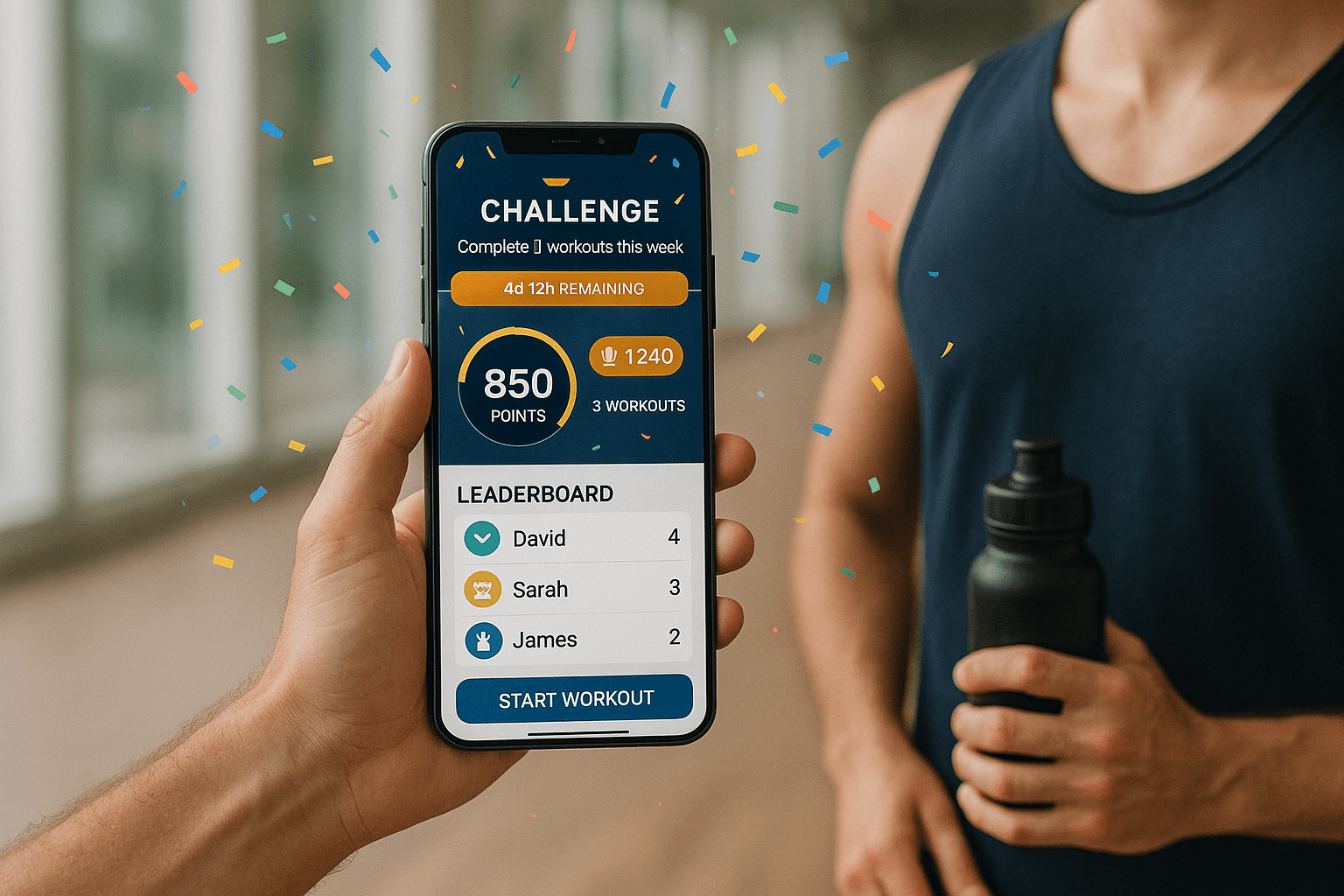
Weekly and Monthly Challenges create urgency and focus that drives consistent behavior. Successful challenge design follows the "Goldilocks Principle"—not too easy to be meaningless, not too difficult to be discouraging, but just right to feel achievable with effort.
Example Challenge Structures:
- Consistency Challenges: "Complete 4 workouts this week" or "Check in for 20 days this month"
- Variety Challenges: "Try 3 different class types this month" or "Complete both cardio and strength sessions this week"
- Social Challenges: "Team up with 3 friends to collectively complete 50 workouts this month"
- Skill-Based Challenges: "Increase your planking time by 30 seconds" or "Complete 10 perfect form push-ups"
Implementation Best Practices: Successful challenges typically run for 1-4 weeks, include both individual and team options, and offer multiple difficulty levels to accommodate different fitness stages. Progress should be automatically tracked through existing gym management systems to reduce administrative burden.
2. Points and Reward Systems
Point Accumulation provides immediate gratification for positive behaviors. Effective point systems reward not just workout completion, but also valuable behaviors like booking classes in advance, referring friends, or updating profile information.
Strategic Point Distribution:
- Attendance Points: 10 points per gym visit, 15 points per group class
- Consistency Bonuses: 50 points for 3 consecutive workout days, 100 points for weekly goals
- Engagement Points: 5 points for booking classes 24+ hours in advance, 25 points for trying new class types
- Social Points: 20 points for bringing a guest, 30 points for successful referrals
Reward Redemption Options should offer both immediate and aspirational goals. Examples include discounts on membership fees, branded merchandise, free personal training sessions, guest passes, or exclusive access to special events. The key is ensuring rewards feel valuable while maintaining business profitability.
3. Badge and Achievement Recognition
Achievement Hierarchies create long-term engagement by providing ongoing recognition opportunities. Effective badge systems include multiple categories to celebrate different types of success and member preferences.
Badge Category Examples:
- Attendance Badges: "Early Bird" (5 AM workouts), "Night Owl" (evening sessions), "Weekend Warrior" (Saturday/Sunday activity)
- Milestone Badges: "First Week," "30 Days Strong," "100 Visits," "One Year Member"
- Activity Badges: "Cardio Queen," "Strength Master," "Flexibility Champion," "Class Sampler"
- Social Badges: "Team Player," "Motivator" (helping others), "Community Builder"
Visual Design Importance: Badges should be visually distinctive and professionally designed. Members are more likely to share achievements that look impressive on social media, extending your marketing reach through organic user-generated content.
4. Leaderboards and Social Competition
Competitive Elements must be carefully designed to motivate rather than intimidate. Research shows that leaderboards work best when they include multiple categories, allowing different types of members to compete successfully.
Leaderboard Variations:
- Weekly Activity Leaders: Most check-ins, most classes attended, most workout minutes
- Improvement Leaderboards: Greatest attendance increase, most new classes tried, biggest consistency improvement
- Team Competitions: Groups competing for collective goals, department challenges for corporate memberships
- Beginner-Friendly Boards: Separate competitions for newer members to avoid discouragement
Privacy and Inclusivity Considerations: Always provide opt-out options for competitive features. Some members prefer private progress tracking, and forcing participation can create negative experiences that drive cancellations.
Advanced Gamification Techniques
1. Adaptive Difficulty and Personalization
Smart Challenge Adjustment uses member data to automatically customize goals based on individual patterns and capabilities. If a member typically attends twice per week, their challenge might be "3 visits this week," while a daily attendee might face "maintain your 6-day streak."
Behavioral Pattern Recognition allows systems to identify member preferences and suggest relevant activities. Members who primarily attend morning classes might receive challenges focused on consistency during their preferred time slots, while variety-seekers get challenges encouraging exploration of new activities.
2. Seasonal and Event-Based Campaigns
Holiday-Themed Challenges capitalize on natural motivation cycles and cultural moments. New Year fitness resolutions, summer body preparation, and back-to-school routine establishment all provide opportunities for targeted gamification campaigns.
Community Event Integration connects virtual achievements with real-world experiences. Members might earn special recognition for participating in charity fitness events, local races, or gym anniversary celebrations.
3. Streak Mechanics and Habit Formation
Consistency Streaks are among the most powerful gamification tools for behavior change. The psychological concept of "loss aversion" makes people work harder to maintain streaks than to achieve equivalent new goals.
Streak Design Principles:
- Flexible Definitions: Allow rest days within weekly streaks (5 workouts in 7 days maintains the streak)
- Recovery Options: Provide "streak freeze" opportunities for vacations or legitimate absences
- Meaningful Milestones: Celebrate 7-day, 21-day, and 100-day achievements with increasing rewards
- Visual Progress: Display streak lengths prominently to maintain awareness and motivation
Measuring Success: Key Performance Indicators
Member Engagement Metrics
Primary Engagement Indicators include average monthly visits per member, class booking rates, mobile app usage frequency, and feature adoption rates. Successful gamification typically increases monthly visit frequency by 15-25% within the first three months of implementation. For businesses seeking to enhance member engagement through proven methods, mobile apps for fitness businesses provide immediate value and measurable results.
Behavioral Change Tracking measures how gamification affects member patterns. Look for increased class variety (members trying new activities), improved consistency (fewer gaps between visits), and extended session durations.
Business Impact Measurements
Revenue Metrics should track membership retention rates, upgrade conversions, and additional service purchases. Gamification often drives members to extend memberships, add personal training sessions, or purchase merchandise, creating additional revenue streams.
Cost-Effectiveness Analysis compares gamification implementation costs against improved member lifetime value. Most successful programs show positive ROI within 6-12 months through reduced churn and increased member spending.
Long-Term Retention Analysis
Cohort Analysis tracks how gamification affects member retention across different joining periods and demographic groups. Pay particular attention to the critical first 90 days when most cancellations occur.
Satisfaction Correlation surveys should measure member enjoyment and perceived value. High gamification engagement often correlates with improved Net Promoter Scores and referral rates.
Implementation Best Practices
Technology Integration Considerations
Seamless System Integration ensures that gamification feels natural rather than forced. Game elements should integrate smoothly with existing member management, class booking, and payment processing systems to avoid creating administrative burden.
Mobile-First Design is essential since most member interactions happen through smartphones. Gamification features must be easily accessible, fast-loading, and intuitive on small screens.
Data Privacy and Security requirements must be carefully considered when implementing social features or tracking detailed behavioral data. Ensure compliance with relevant privacy regulations while maximizing engagement value.
Staff Training and Culture Development
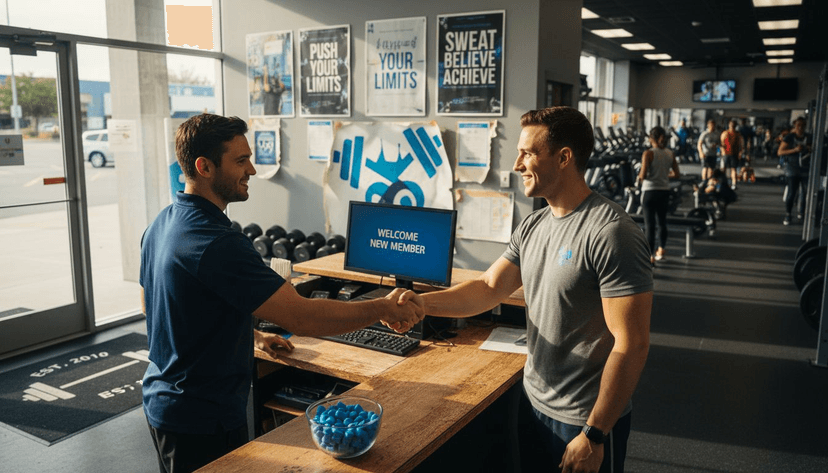
Team Engagement requires staff members to understand and support gamification initiatives. Front desk staff should be trained to celebrate member achievements, while trainers can reference member goals and progress during sessions.
Recognition Programs should include both automated digital rewards and personal acknowledgment from staff members. The combination of digital and human recognition creates more meaningful member experiences.
Avoiding Common Pitfalls
Over-Gamification Risks: Too many game elements can overwhelm members and make the experience feel artificial. Focus on 2-3 core mechanics initially, expanding gradually based on member feedback and engagement data.
Fairness and Accessibility: Ensure that gamification rewards diverse types of success, not just traditional fitness metrics. Include recognition for consistency, improvement, social contribution, and personal achievement rather than only raw performance.
Sustainability Planning: Gamification requires ongoing content creation, challenge development, and reward management. Build systems and processes that can maintain engagement without constant manual intervention.
Member Engagement Features in Finegym
While Finegym doesn't currently include specific gamification elements like challenges, leaderboards, or rewards systems, it provides a robust foundation of member engagement features that fitness businesses can leverage to create motivational experiences and support community building.
Comprehensive Mobile App Experience
Finegym's dedicated mobile application serves as the primary digital touchpoint for member engagement, offering features that support consistent facility usage and convenient member self-service:
QR Code Check-in System: Members receive personalized QR codes for contactless facility entry, creating a smooth, modern experience that reduces friction and wait times. This system automatically tracks attendance patterns, providing valuable data for understanding member behavior and designing future engagement strategies.
Streamlined Class and Appointment Booking: The mobile app allows members to browse class schedules, view instructor information, and book sessions directly from their phones. Real-time availability updates prevent double-bookings, while booking confirmations and reminders help members maintain consistency in their fitness routines.
Personal Membership Dashboard: Members can access their membership details, payment history, and usage statistics through an intuitive interface. This transparency builds trust and helps members understand their investment in their health and fitness journey.
Digital Document Access: Important documents like membership agreements, waivers, and policy updates are accessible through the app, reducing paperwork and ensuring members always have current information available.
Advanced Scheduling and Community Building
Class Discovery and Variety: Finegym's class management system makes it easy for members to explore different workout types and find sessions that match their schedules and preferences. This variety exposure naturally encourages members to try new activities and maintain engagement through novelty.
Instructor Connection: Members can view instructor profiles and specialties, helping them build relationships with staff and find trainers who match their goals and communication styles. These personal connections often become key factors in long-term member retention.
Appointment Scheduling for Personal Services: Beyond group classes, members can book one-on-one sessions with personal trainers, nutrition consultations, or fitness assessments. This flexibility supports members at all stages of their fitness journey.
Data-Driven Engagement Opportunities
Comprehensive Analytics for Staff: While members see their personal data, Finegym provides facility owners and managers with detailed insights into member behavior patterns, class popularity, and usage trends. This information enables targeted engagement strategies and informed business decisions.
Member Progress Tracking: Staff can add notes to member profiles, documenting progress, achievements, and goals. This capability supports personalized service and helps staff celebrate member successes, even without automated gamification features.
Usage Pattern Recognition: Finegym's reporting features help identify members who might be at risk of canceling due to decreased usage, enabling proactive outreach and re-engagement efforts.
Building Engagement Without Built-in Gamification
Smart fitness business owners can use Finegym's robust operational features as the foundation for creative engagement strategies:
Manual Recognition Programs: Use check-in data to identify members achieving consistency goals, then provide personal recognition through staff interactions, social media shoutouts, or small rewards. This personal touch often has more impact than automated systems.
Class Participation Challenges: Track member participation in different class types through Finegym's scheduling data, then manually recognize members who demonstrate variety in their fitness routines or try new activities.
Milestone Celebrations: Leverage member anniversary dates and usage history to celebrate important moments like membership anniversaries, 50th class attendance, or first-time class completions.
Community Building Events: Use Finegym's member database to organize special events, workshops, or social gatherings that strengthen community bonds and encourage continued engagement.
Referral Tracking: While not automated, staff can use Finegym's member management features to track and reward successful referrals, building membership growth through satisfied member recommendations.
Integration and Future Expansion
Third-Party Compatibility: Finegym's open architecture allows for potential integration with third-party gamification platforms or wellness apps, providing flexibility for businesses that want to add specific game-like features without changing their core management system.
Scalable Foundation: As member engagement needs evolve, Finegym's comprehensive data collection and member management capabilities provide the foundation for more sophisticated engagement strategies, whether through future platform updates or supplementary tools.
Professional Service Delivery: The platform's focus on operational excellence ensures that basic member service remains exceptional, which is often more important for retention than elaborate gamification features. Members stay loyal to businesses that consistently deliver reliable, professional service.
Ready to see how Finegym's member engagement features can support your fitness business? Get started for free to explore how the platform's comprehensive member management and mobile app features create the foundation for lasting member relationships and business growth.
Future Trends in Fitness Gamification
Artificial Intelligence and Personalization
AI-Driven Challenge Creation will soon automatically generate personalized challenges based on individual member data, preferences, and goals. These systems will adjust difficulty levels in real-time, ensuring optimal motivation without overwhelming or under-challenging members.
Predictive Engagement Models will identify members at risk of canceling and automatically trigger targeted gamification interventions to re-engage them before they decide to leave.
Virtual and Augmented Reality Integration
Immersive Workout Experiences are beginning to combine gamification with VR technology, creating engaging fitness environments where members can exercise in virtual worlds while completing game-like objectives.
AR Progress Visualization will allow members to see their achievements, progress, and goals overlaid on their real-world gym environment through smartphone apps or smart glasses.
Wearable Device Integration
Comprehensive Health Gamification will expand beyond gym visits to include sleep quality, nutrition tracking, stress management, and daily activity levels, creating holistic wellness games that encompass all aspects of healthy living.
Real-Time Performance Gaming will use wearable data to create live challenges during workouts, such as heart rate zone competitions or form improvement games guided by motion sensors.
Conclusion
Gamification represents a powerful solution to the fitness industry's engagement challenge, transforming potentially intimidating gym experiences into enjoyable, rewarding journeys. When thoughtfully implemented, game-like elements can increase member retention by 25-40%, boost workout frequency, and create stronger community connections that drive long-term business success.
The key to effective fitness gamification lies in understanding your members' motivations, designing systems that celebrate diverse types of achievement, and maintaining focus on genuine behavior change rather than superficial engagement metrics. Successful programs balance competition with inclusivity, automation with personal touch, and immediate rewards with long-term goal achievement.
For fitness business owners, gamification offers an opportunity to differentiate their services in a competitive market while addressing the fundamental challenge of member retention. Whether through comprehensive platform features or creative use of existing systems like Finegym's member management tools, the principles of game design can enhance member experiences and drive sustainable business growth. As the industry evolves, exploring AI-powered fitness coaching solutions can provide personalized experiences that naturally incorporate motivational elements.
The future of fitness engagement will likely involve increasingly sophisticated gamification techniques, from AI-powered personalization to immersive virtual reality experiences. However, the core principle remains constant: making fitness feel rewarding, social, and achievable will always be more effective than relying solely on willpower and traditional motivation techniques.
Start exploring how gamification concepts can enhance your member engagement strategy today, and discover how turning fitness into a game can transform both member satisfaction and business results.