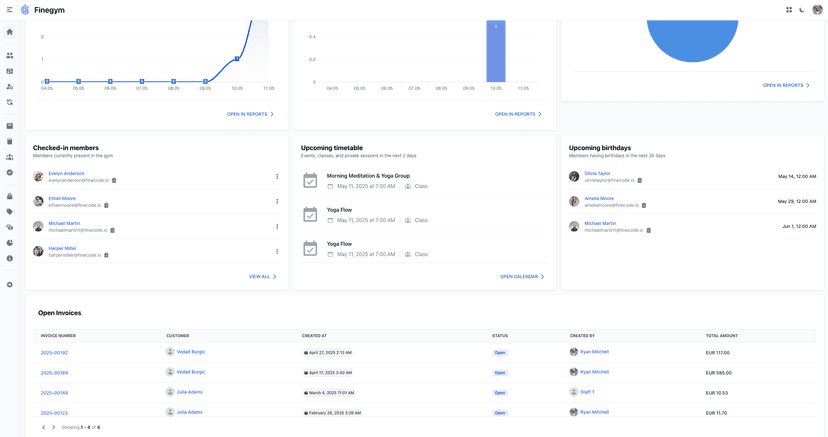

Many gym franchise operators still believe software is only for managing schedules or memberships. In reality, the most successful gyms in North America and Europe rely on comprehensive digital ecosystems that extend member engagement far beyond facility walls. As fitness technology shifts toward hybrid models and personalized health support, understanding these core concepts is essential for staying competitive. This introduction clarifies common misconceptions and highlights how innovative gym software is redefining operational and member experience standards for 2026.
Table of Contents
- Gym Software in 2026: Core Concepts and Misconceptions
- Types of Gym Management Platforms and Distinctions
- Key Features Driving Gym Operations and Engagement
- AI Integration, Mobile Apps, and Hybrid Fitness Models
- Financial Impact, Cost Factors, and Market Trends
- Risks, Compliance, and Common Implementation Pitfalls
Key Takeaways
| Point | Details |
|---|---|
| Personalized Health Ecosystems | Gym software in 2026 focuses on creating personalized health experiences that extend beyond physical gym interactions. |
| Data-Driven Decisions | Predictive analytics and intelligent platforms are essential for enhancing member experiences and engagement. |
| Hybrid Models | The integration of digital and physical experiences is crucial for catering to diverse member needs and improving retention. |
| Investing in Technology | Prioritize gym management platforms that offer comprehensive integration and predictive analytics to maximize returns on investment. |
Gym Software in 2026: Core Concepts and Misconceptions
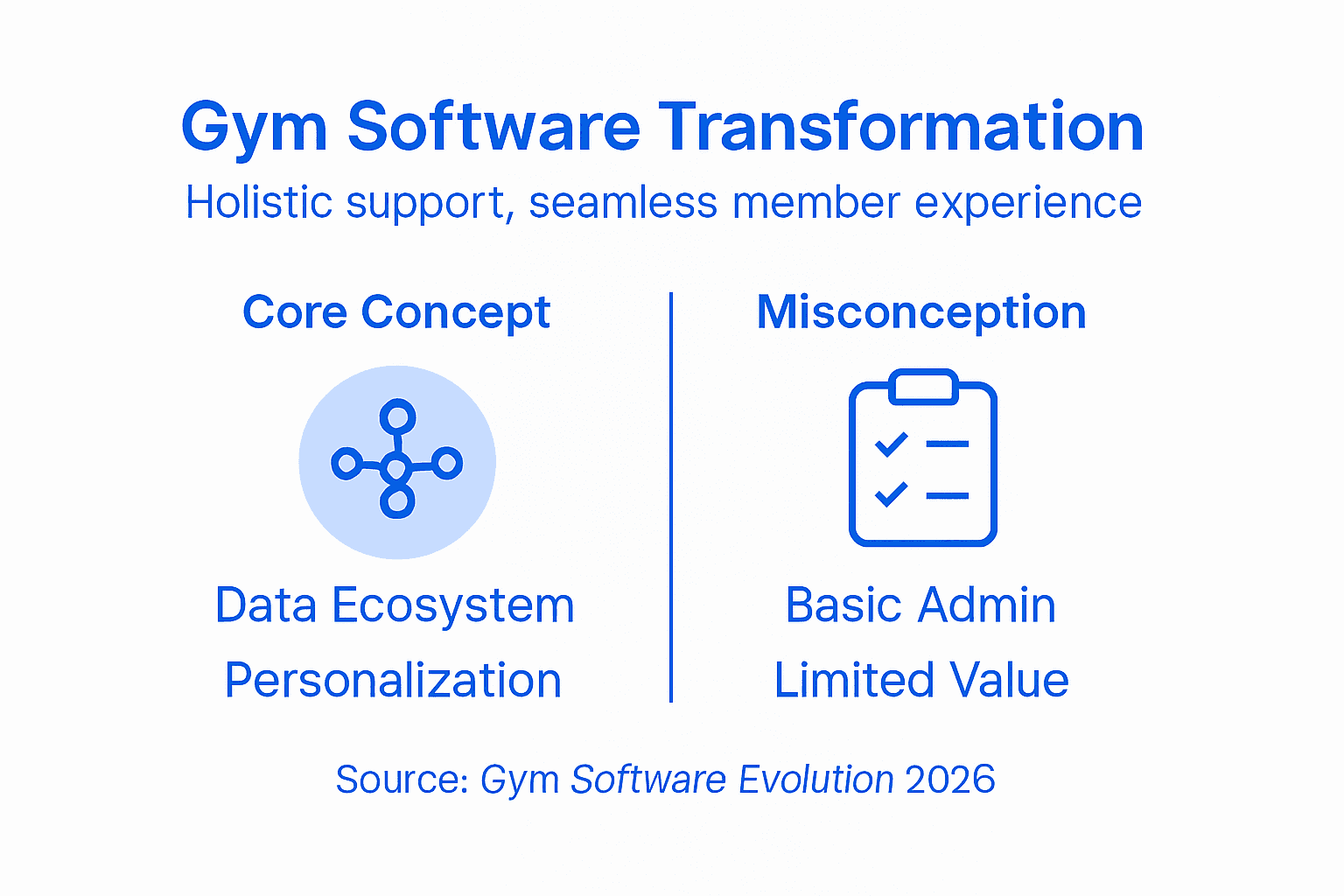
The fitness technology landscape is rapidly transforming, moving far beyond simple membership tracking systems. Modern gym software represents a comprehensive digital ecosystem designed to enhance member engagement and operational efficiency. Future fitness technology is no longer about managing equipment, but creating personalized health experiences.
The core concepts of gym software in 2026 revolve around several critical technological shifts:
- Personalized Health Ecosystems: Software that connects multiple touchpoints beyond physical gym interactions
- Data-Driven Member Experiences: Intelligent platforms using predictive analytics
- Hybrid Digital Engagement: Tools supporting both in-person and remote fitness journeys
- Integrated Wellness Tracking: Comprehensive health monitoring across devices and platforms
Many gym operators still harbor significant misconceptions about software capabilities. They view these platforms as mere administrative tools, when in reality, modern gym solutions are sophisticated health behavior change orchestrators that integrate wearable technologies, coaching interfaces, and comprehensive member interaction systems.
The transition requires understanding that gym software now functions as a holistic health support mechanism. It's not just about tracking membership or scheduling classes, but creating personalized wellness pathways that extend members' fitness experiences beyond physical gym boundaries.
Pro tip: Invest in software that offers comprehensive integration capabilities and prioritizes member experience over pure operational efficiency.
Types of Gym Management Platforms and Distinctions
The landscape of gym management software has dramatically evolved, offering diverse platforms tailored to different operational needs and business scales. Comprehensive platform comparisons reveal a nuanced ecosystem of solutions designed to address specific fitness business requirements.
Gym management platforms can be broadly categorized into several distinct types:
- All-in-One Enterprise Platforms: Comprehensive solutions for large franchises and multi-location fitness centers
- Boutique Studio Systems: Lightweight, focused software for smaller, specialized fitness environments
- Hybrid Engagement Platforms: Tools supporting both physical and digital fitness experiences
- Specialized Wellness Tracking Systems: Advanced platforms emphasizing holistic health monitoring
Each platform type offers unique capabilities tailored to different organizational structures. Enterprise-level systems typically provide robust features like complex membership management, advanced reporting, integrated payment processing, and comprehensive staff scheduling. In contrast, boutique studio platforms prioritize simplicity, offering streamlined class booking, basic membership tracking, and intuitive user interfaces.
The key distinction lies not just in features, but in the platform's ability to create seamless, personalized member experiences. Modern gym management software transcends transactional interactions, transforming into intelligent ecosystems that support members' complete wellness journeys.
Here's a quick comparison of common gym management platform types and their ideal use cases:
| Platform Type | Best For | Key Differentiator |
|---|---|---|
| All-in-One Enterprise | Large gym chains | Multi-location management tools |
| Boutique Studio System | Niche studios | Streamlined interface, fast setup |
| Hybrid Engagement | Diverse member needs | Physical and virtual services |
| Wellness Tracking System | Health-focused facilities | Deep data integration, analytics |
Pro tip: Select a gym management platform that aligns with your specific business size, complexity, and long-term growth strategy.
Key Features Driving Gym Operations and Engagement
The evolution of gym management technology has fundamentally transformed how fitness businesses operate and engage with members. Member management strategies now extend far beyond traditional administrative functions, creating intelligent ecosystems that predict, support, and enhance member experiences.
Key features driving modern gym operations and engagement include:
- Intelligent Member Profiling: Advanced data analytics that create comprehensive member journey maps
- Predictive Retention Tools: Algorithms identifying potential member churn before it occurs
- Personalized Communication Channels: Automated, context-aware messaging systems
- Integrated Performance Tracking: Real-time health and fitness progress monitoring
- Seamless Omnichannel Experience: Consistent interactions across digital and physical platforms
These technological capabilities represent a significant shift from transactional interactions to relationship-driven engagement. Modern gym software transforms raw member data into actionable insights, enabling businesses to create highly personalized fitness experiences that adapt to individual member needs, preferences, and goals.
Successful platforms now function as comprehensive wellness ecosystems, integrating multiple touchpoints including class scheduling, performance tracking, nutrition guidance, and social engagement tools. The most advanced systems leverage artificial intelligence and machine learning to provide proactive recommendations, transforming gym management from reactive administrative work to strategic member success partnerships.
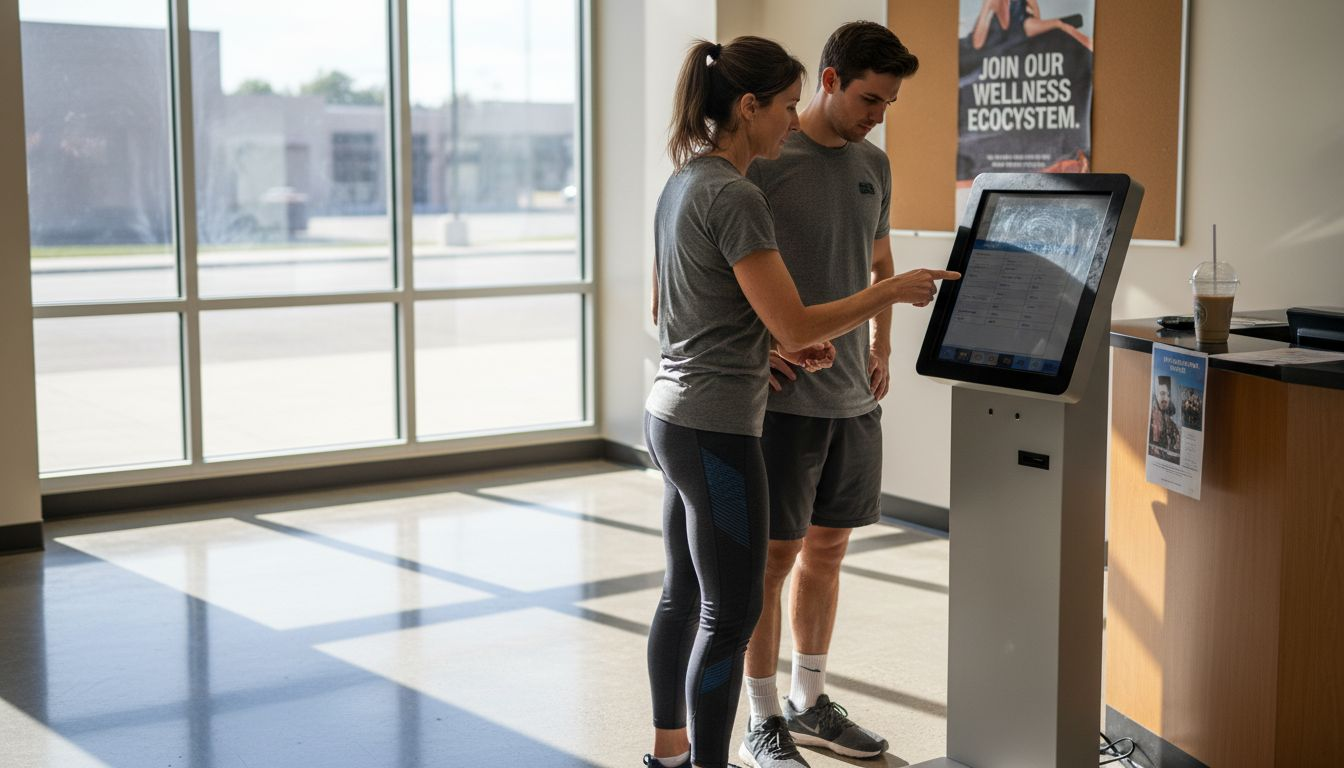
Pro tip: Prioritize gym management platforms that offer comprehensive data integration and predictive analytics capabilities to maximize member retention and engagement.
AI Integration, Mobile Apps, and Hybrid Fitness Models
The fitness technology landscape is undergoing a radical transformation, driven by AI-powered fitness innovations that are reshaping how gyms operate and members engage with their wellness journeys. Artificial intelligence has evolved from a peripheral technology to the central nervous system of modern fitness ecosystems.
Key components of this technological revolution include:
- Intelligent Workout Personalization: AI algorithms designing customized fitness programs
- Predictive Health Monitoring: Automated risk assessment and wellness recommendations
- Real-Time Performance Analytics: Dynamic workout adjustments based on member biometric data
- Seamless Device Integration: Synchronization across wearables, mobile apps, and gym equipment
- Virtual and In-Person Hybrid Training: Flexible workout experiences transcending physical boundaries
Mobile applications have become the primary interface for member interactions, transforming how fitness experiences are delivered and consumed. These platforms now offer comprehensive wellness ecosystems that extend far beyond traditional gym boundaries, providing personalized nutrition guidance, recovery tracking, and social engagement tools that create holistic health experiences.
The hybrid fitness model represents a fundamental shift in how members conceptualize and pursue their wellness goals. By leveraging advanced technologies that synchronize data across multiple platforms, gyms can now offer unprecedented levels of personalization, making fitness experiences more adaptive, engaging, and tailored to individual needs.
This table summarizes how AI and mobile apps are transforming member experiences in gym software:
| Technology Focus | Example Benefit | Business Value |
|---|---|---|
| AI Integration | Automated workout adaptation | Higher member retention |
| Mobile Apps | Anytime, anywhere access | Greater engagement levels |
| Device Sync | Real-time health tracking | Insights for personalized coaching |
Pro tip: Invest in gym management platforms that offer robust AI integration and flexible mobile app capabilities to create truly personalized member experiences.
Financial Impact, Cost Factors, and Market Trends
The gym management software market is experiencing unprecedented transformation, with comprehensive market research revealing complex financial dynamics driving technological investments. These emerging platforms are no longer simple expense items but strategic investments that fundamentally reshape fitness business economics.
Key financial considerations for gym management software include:
- Subscription Model Pricing: Flexible, tiered pricing structures
- Return on Investment (ROI) Metrics: Performance tracking and cost-benefit analysis
- Scalability Factors: Cost implications for multi-location and franchise operations
- Technology Integration Expenses: Infrastructure and training investment requirements
- Predictive Cost Management: AI-driven financial forecasting tools
Investor attention has shifted dramatically toward digital ecosystems that demonstrate predictable value delivery. Modern gym management platforms are now evaluated not just on their feature sets, but on their ability to generate sustainable revenue streams, reduce operational costs, and create measurable member engagement metrics.
The market trends indicate a clear trajectory toward comprehensive, data-driven solutions that transform fixed technology expenses into dynamic revenue generation tools. Software platforms that can demonstrate direct contributions to member retention, operational efficiency, and financial performance will dominate the 2026 fitness technology landscape.
Pro tip: Evaluate gym management software investments based on comprehensive ROI metrics, not just upfront costs.
Risks, Compliance, and Common Implementation Pitfalls
Navigating the complex landscape of gym management software requires a comprehensive understanding of potential risks and implementation challenges. Gym management system deployment involves multifaceted considerations that extend far beyond simple technological integration.
Key risks and compliance challenges include:
- Data Security Vulnerabilities: Protecting sensitive member information
- Payment Processing Regulations: Ensuring compliance with financial transaction standards
- User Privacy Protection: Maintaining HIPAA and GDPR compliance
- System Integration Complexity: Managing technical compatibility across platforms
- Ongoing Software Maintenance: Keeping systems updated and secure
Implementation pitfalls often stem from inadequate planning and limited understanding of organizational technology ecosystems. Successful deployment requires a strategic approach that goes beyond technical specifications, focusing on comprehensive staff training, robust change management protocols, and continuous performance monitoring.
Fitness businesses must recognize that technology implementation is not a one-time event but an ongoing process of adaptation and optimization. The most successful organizations treat gym management software as a dynamic tool that requires continuous refinement, user feedback integration, and proactive risk management strategies.
Pro tip: Conduct comprehensive risk assessments and develop a detailed implementation roadmap before deploying any new gym management software.
Revolutionize Your Gym Operations with Finegym.io
The article highlights the transformation of gym software into comprehensive health ecosystems that drive personalized member experiences and operational efficiency. If you are struggling with complex scheduling, data integration, or engaging members across both in-person and virtual platforms, you are not alone. Finegym.io addresses these challenges with an all-in-one platform designed to streamline member management, automate billing and communications, and enhance client retention through intuitive features like QR code check-ins and a member mobile app.
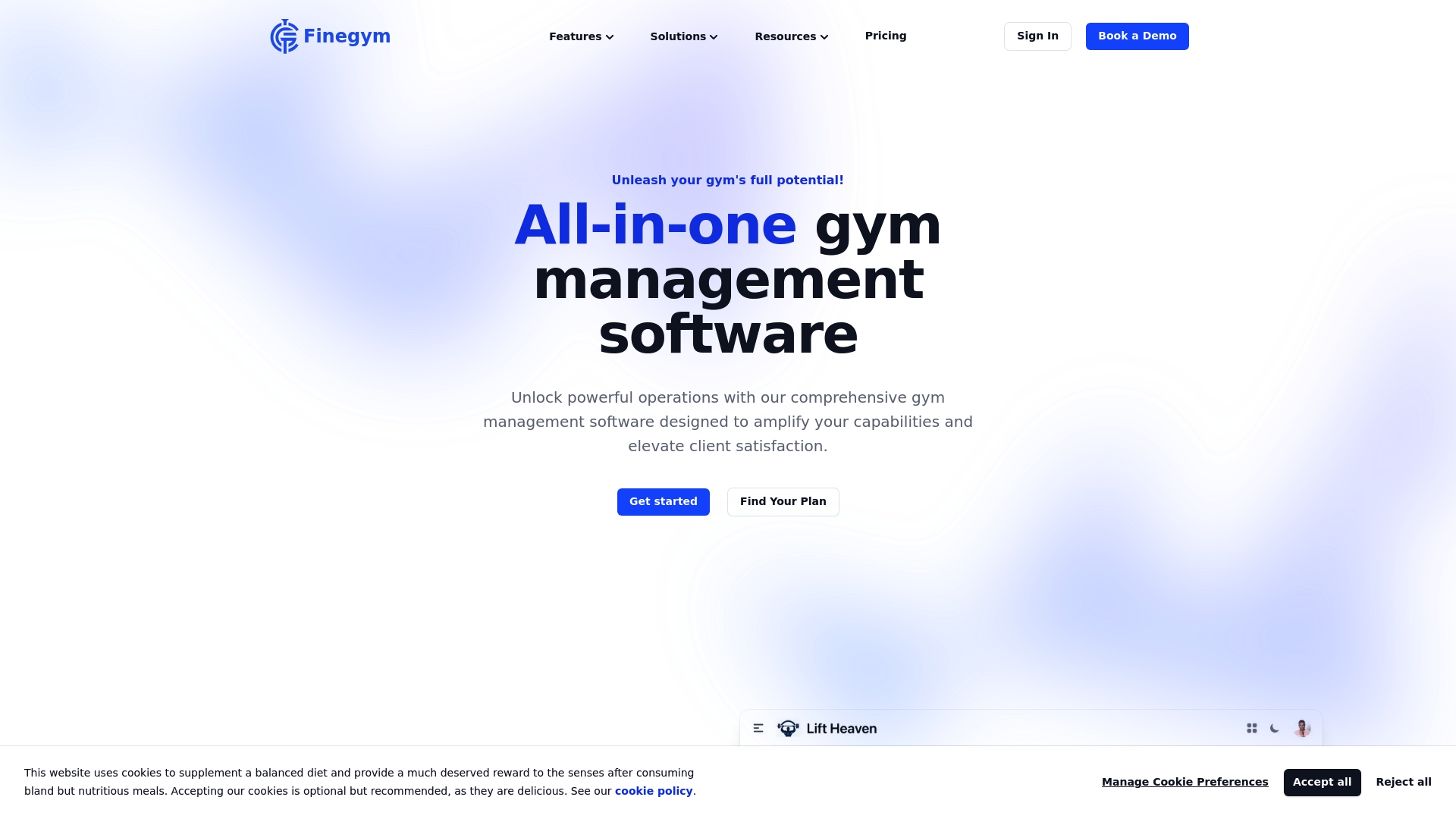
Discover how Finegym.io can power your fitness business with tools that support hybrid fitness models, predictive analytics for member engagement, and scalable solutions for studios and multi-location gyms. Don't let outdated software hold back your growth. Visit Finegym.io now to explore a platform tailored to your needs and empower your team to deliver exceptional wellness journeys today.
Frequently Asked Questions
What are the core concepts of gym software in 2026?
Modern gym software focuses on creating personalized health ecosystems, utilizing data-driven member experiences, promoting hybrid digital engagement, and offering integrated wellness tracking for comprehensive health monitoring.
How can gym software improve member retention?
Gym software utilizes predictive retention tools to identify potential member churn, providing insights that allow gym operators to proactively engage members and enhance their overall fitness experience.
What types of gym management platforms are available?
Gym management platforms can be categorized into all-in-one enterprise solutions, boutique studio systems, hybrid engagement platforms, and specialized wellness tracking systems, each tailored to different operational needs and business scales.
What features should I look for in modern gym management software?
Key features include intelligent member profiling, personalized communication channels, integrated performance tracking, and seamless omnichannel experiences that create engaging and personalized fitness journeys.